


68000: THE FLAME WARS
68000: THE FLAME WARS
Couldn't load pickup availability
THE STORY
THE STORY
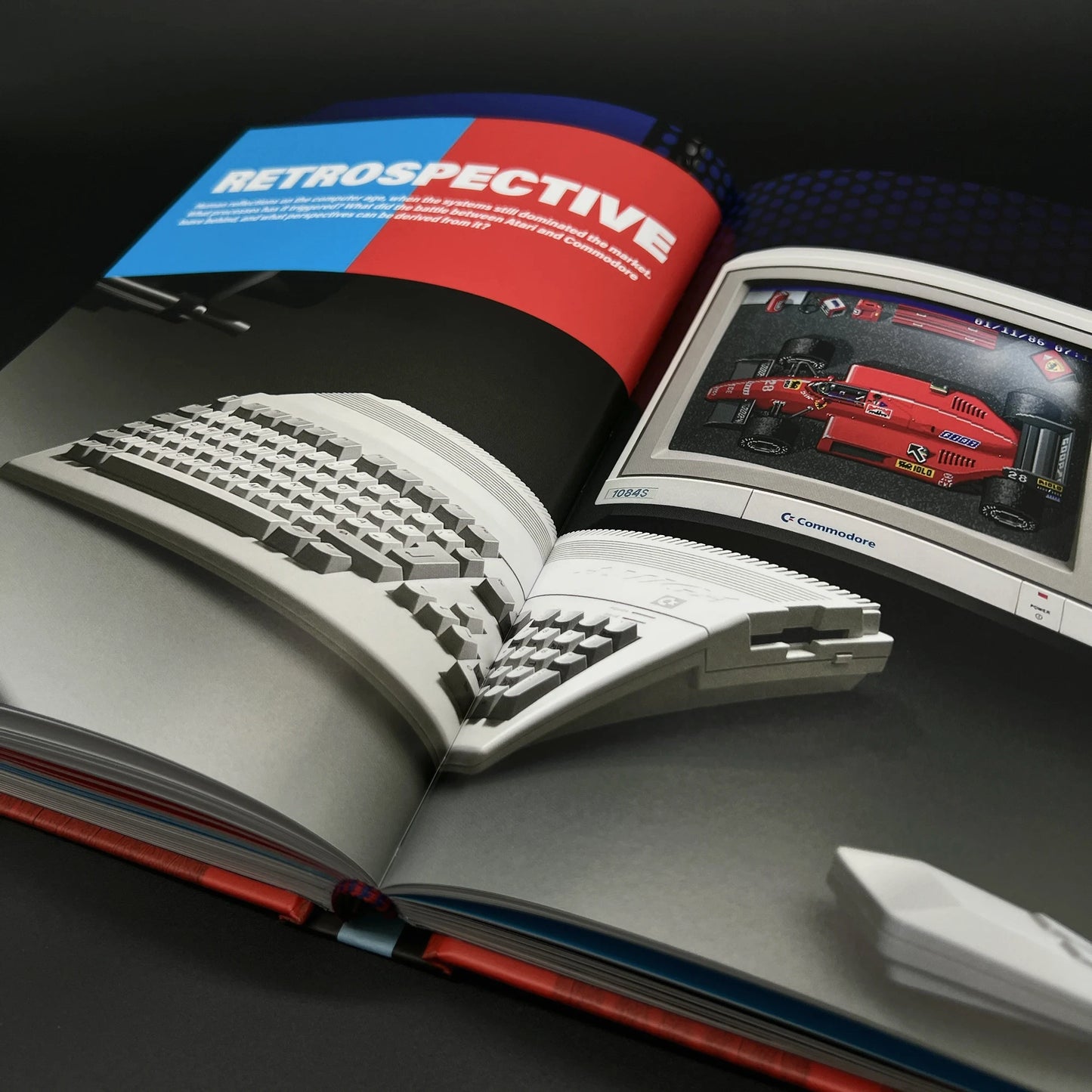
Atari ST vs. Commodore Amiga: THE FLAME WARS revisits the great 16-bit rivalry
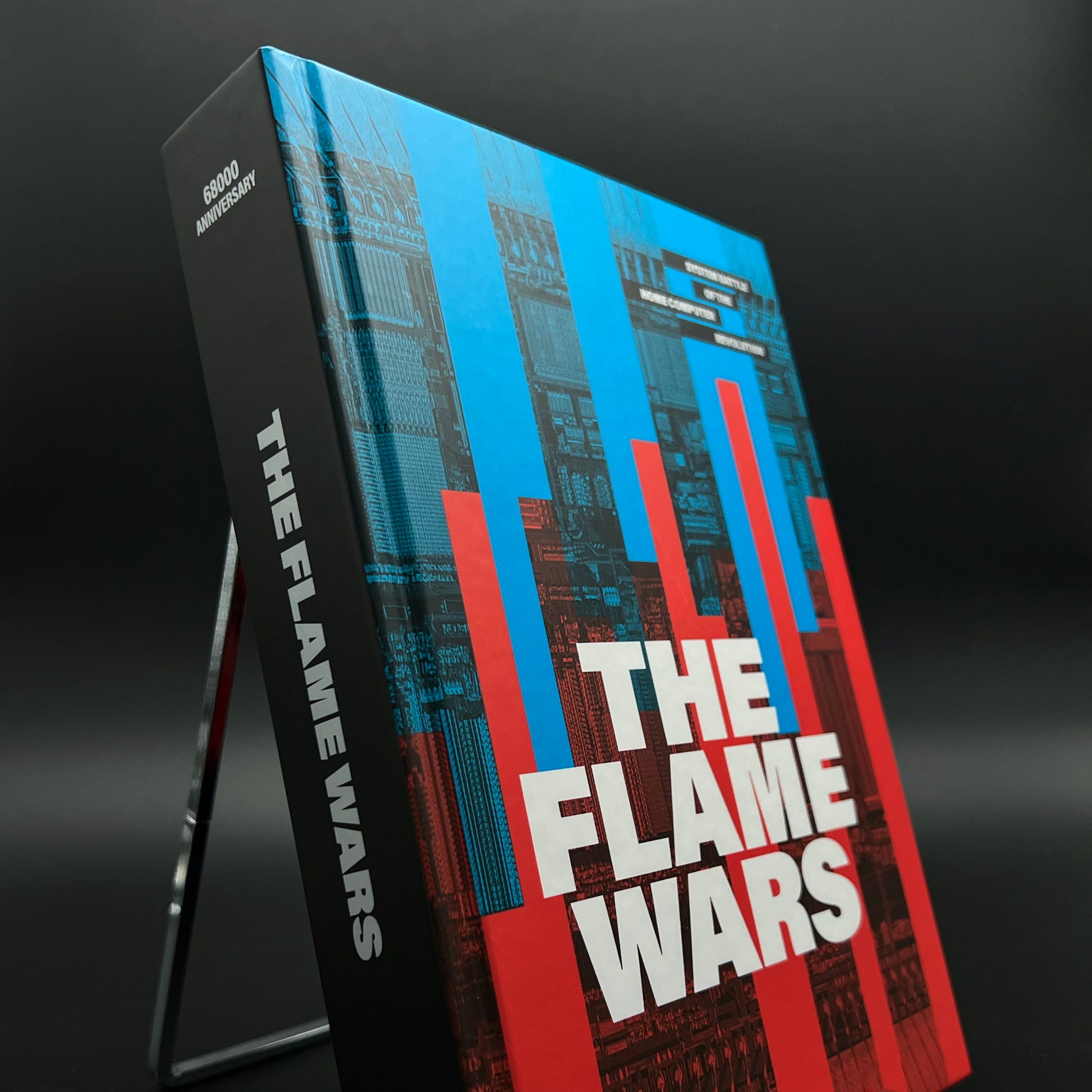
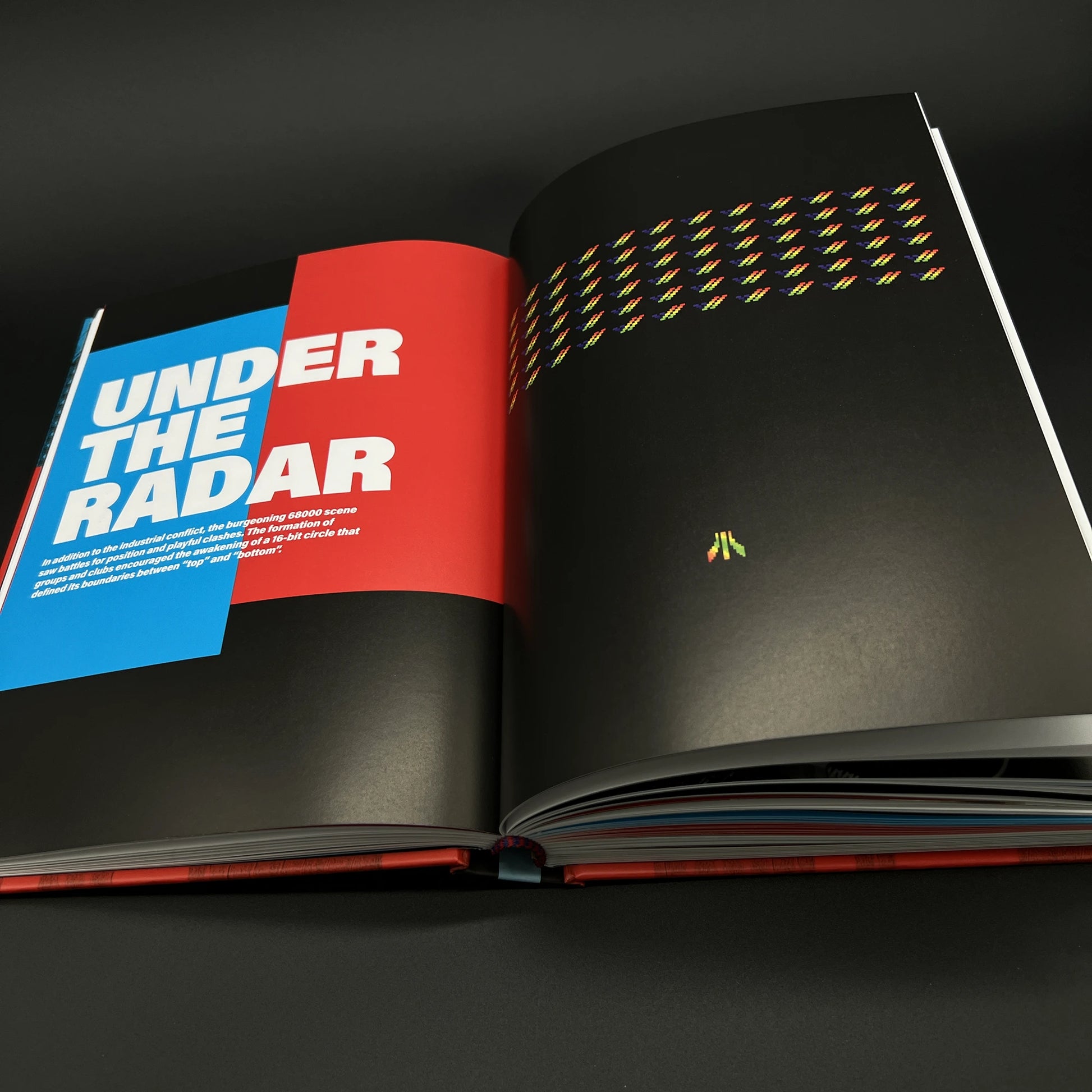
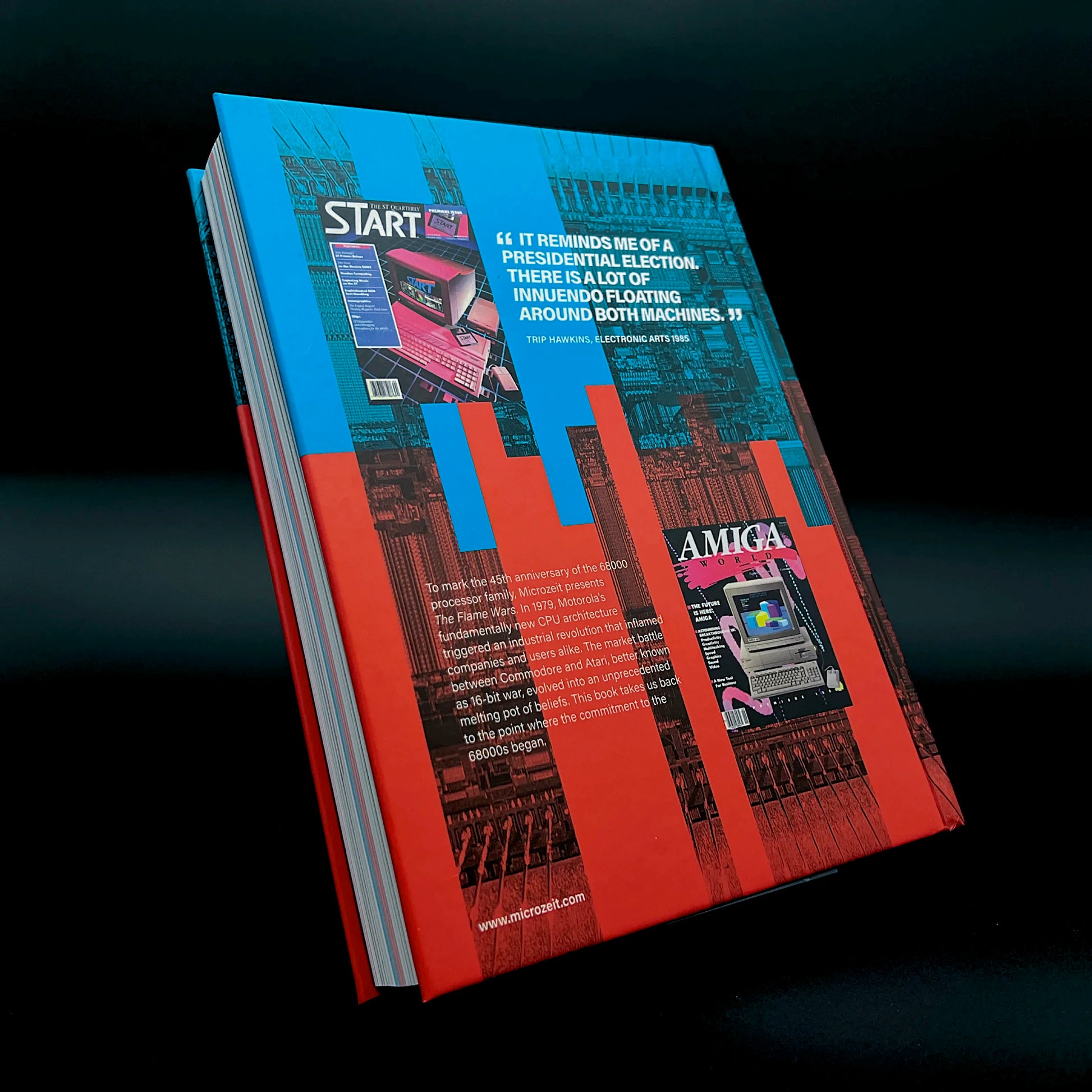
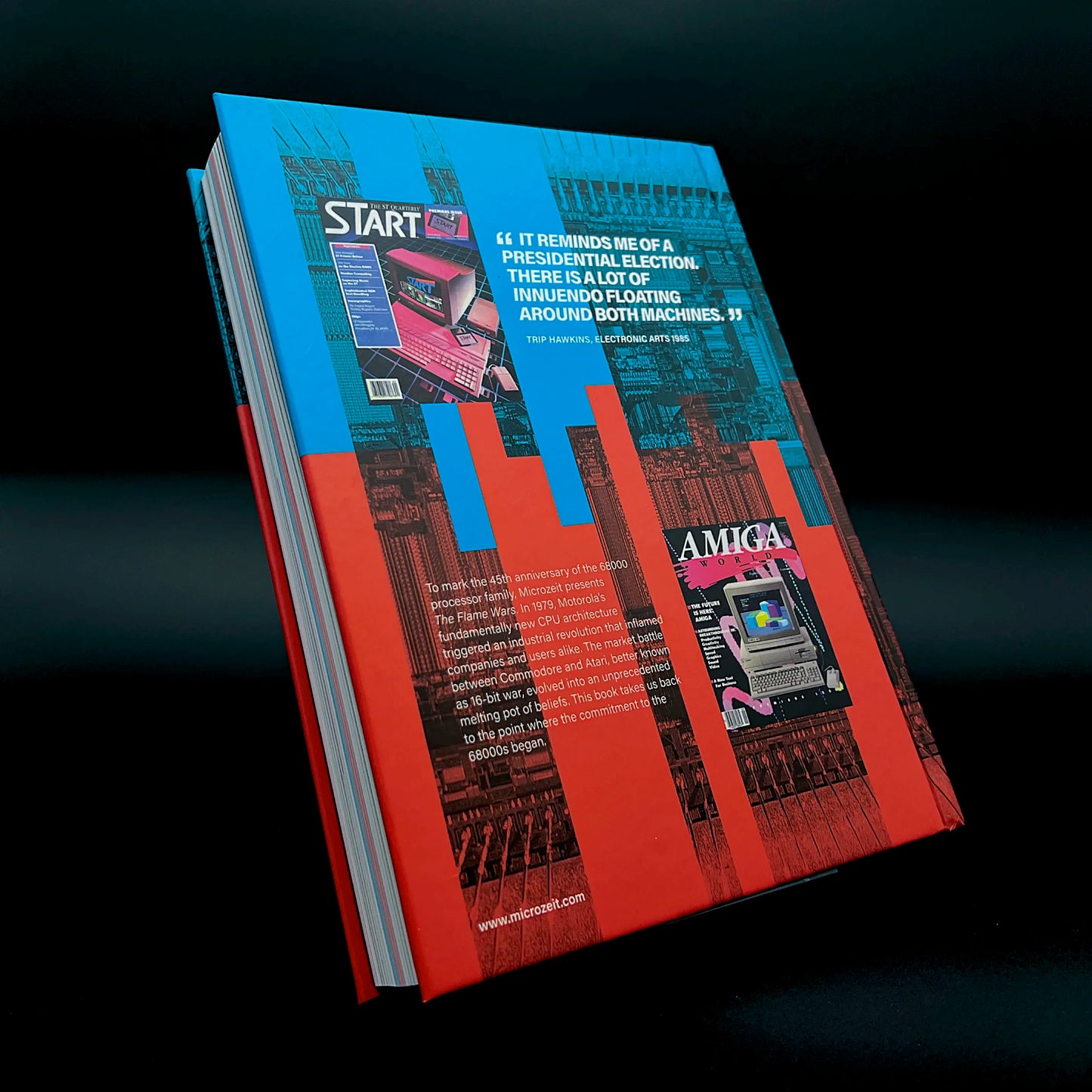
THE FLAME WARS offers a comprehensive look at the Atari ST and Commodore Amiga – two 16/32-bit computers whose rivalry divided their respective fan bases throughout the 1980s and 1990s.
Factual research and contemporary opinion come together in a collection of newly written background features, historical evidence, provocative hypotheses and analytical perspectives drawn from the media of the time. The result is not simply a comparison of two machines, but a portrait of an era in which computer technology became part of personal identity.
From history and media to markets and subculture
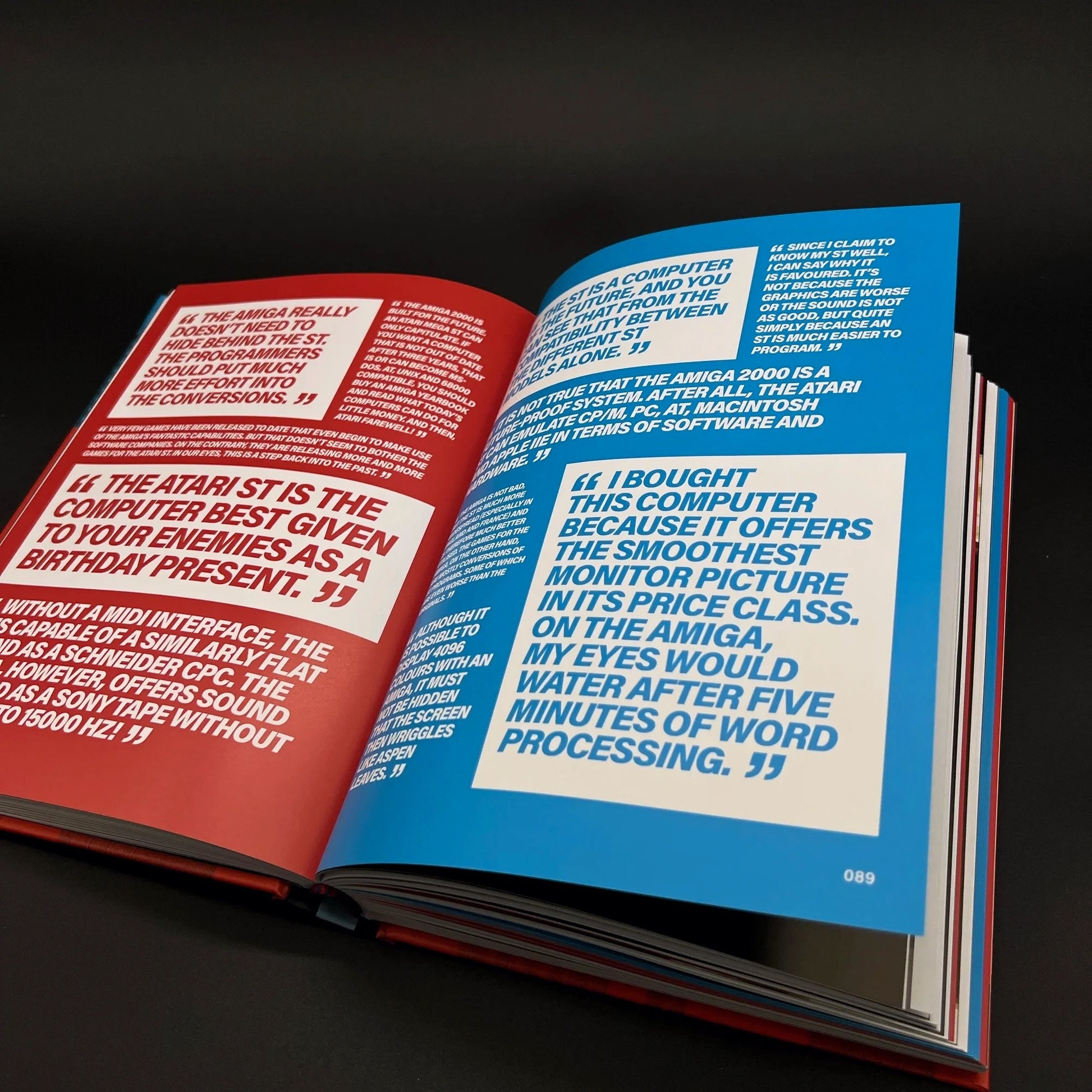
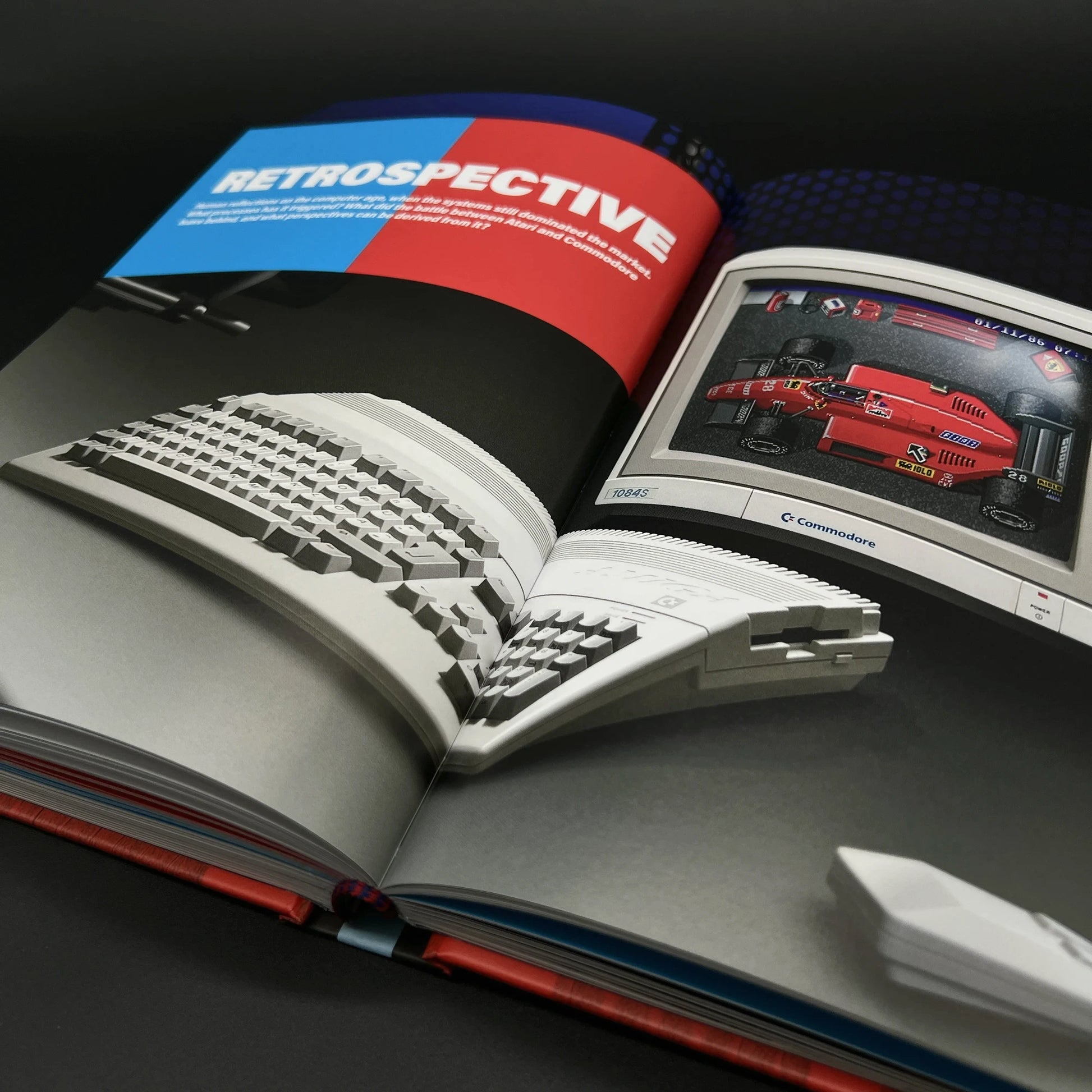
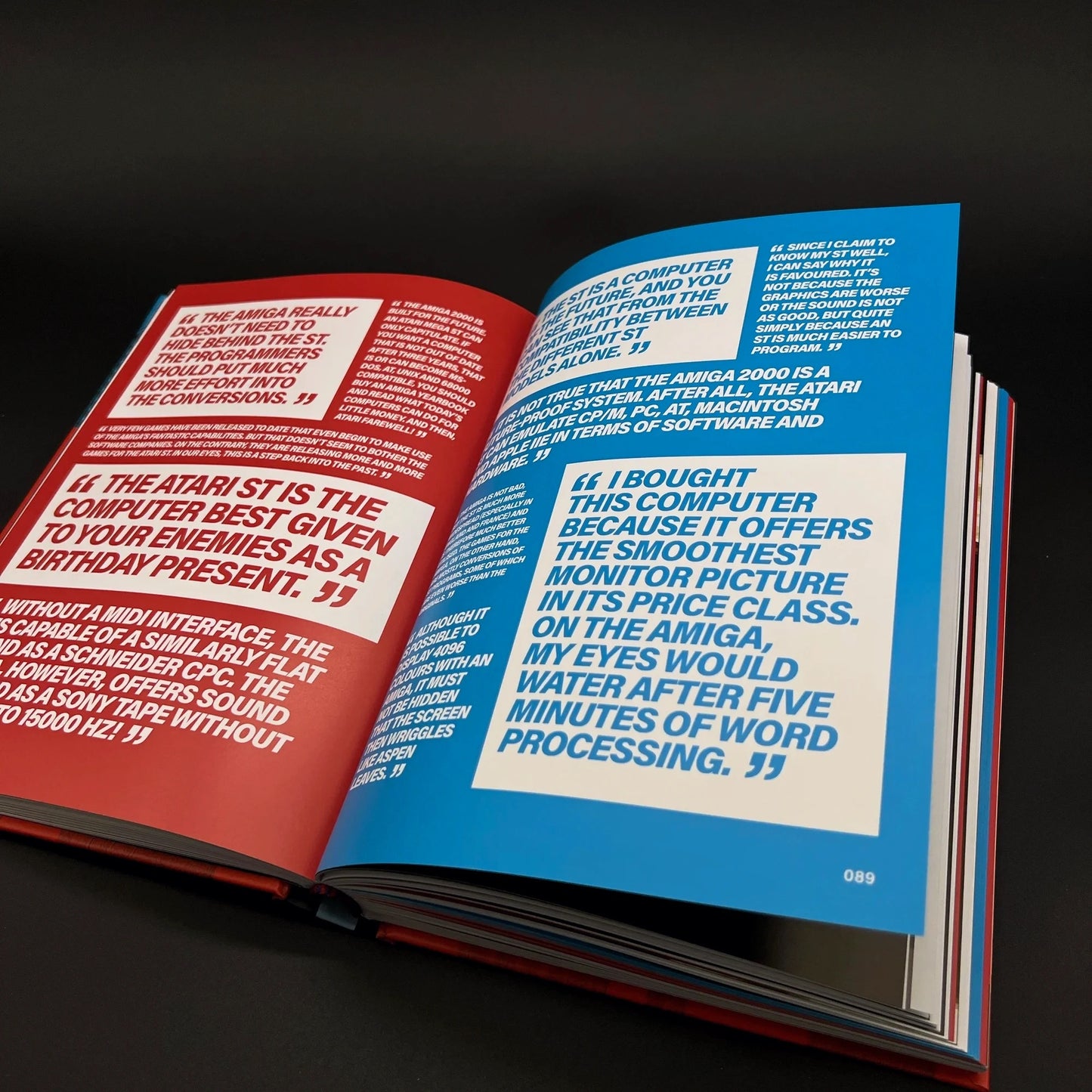
THE FLAME WARS explores the rivalries that divided computer communities and asks where these conflicts originated. Follow the often heated debates between supporters and opponents, discover how magazines, manufacturers and software companies contributed to them, and examine the impact these battles had on the generation of computers that followed.
Behind the arguments were fundamental questions about technology, creativity and commercial ambition. Why did choosing a computer become such an emotional decision? And how did competition between systems develop into something approaching tribal loyalty?
Visions and delusions: when ideas collide
The book examines the divide these 16-bit systems created within a rapidly changing computer culture – while also searching for the ideas and ambitions they shared. Technology versus humanity. Industry versus ambition. Productivity versus entertainment.
Did publishers and developers add fuel to the fire, or were the conflicts primarily created by the users themselves? Contemporary voices, media reports and retrospective analysis reveal contrasting perspectives from manufacturers and consumers, developers and retailers, commercial interests and computer subculture.
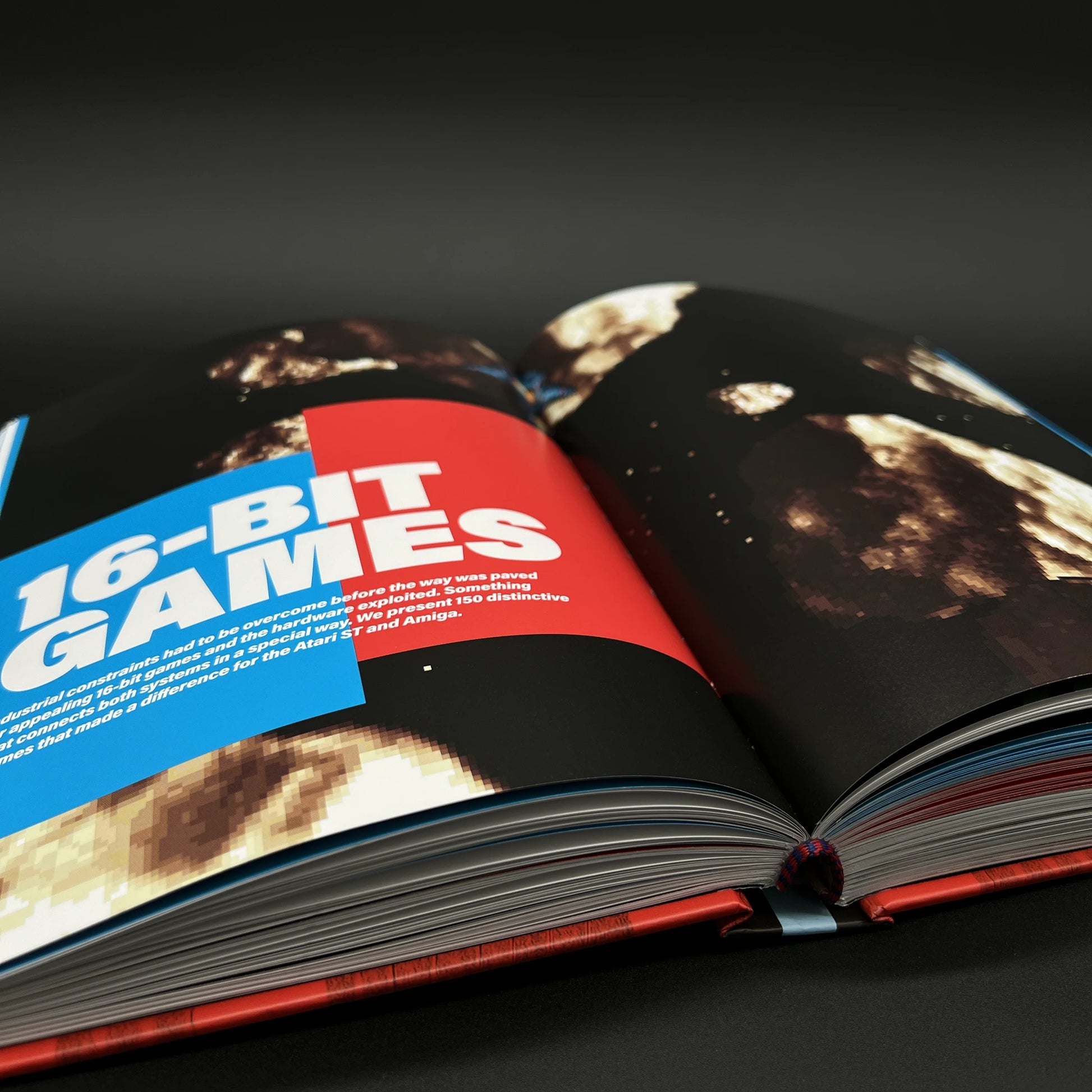
16-bit games in focus
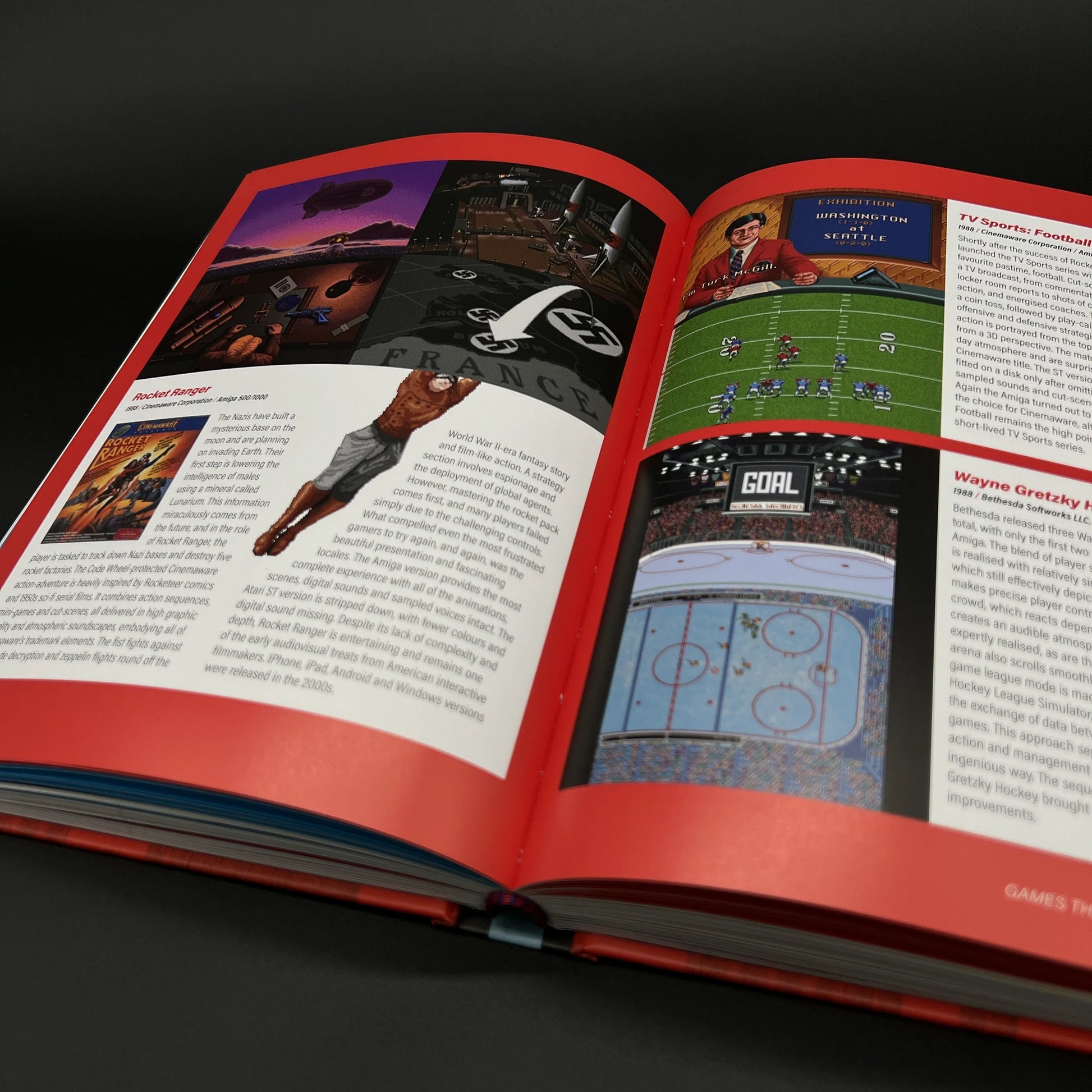
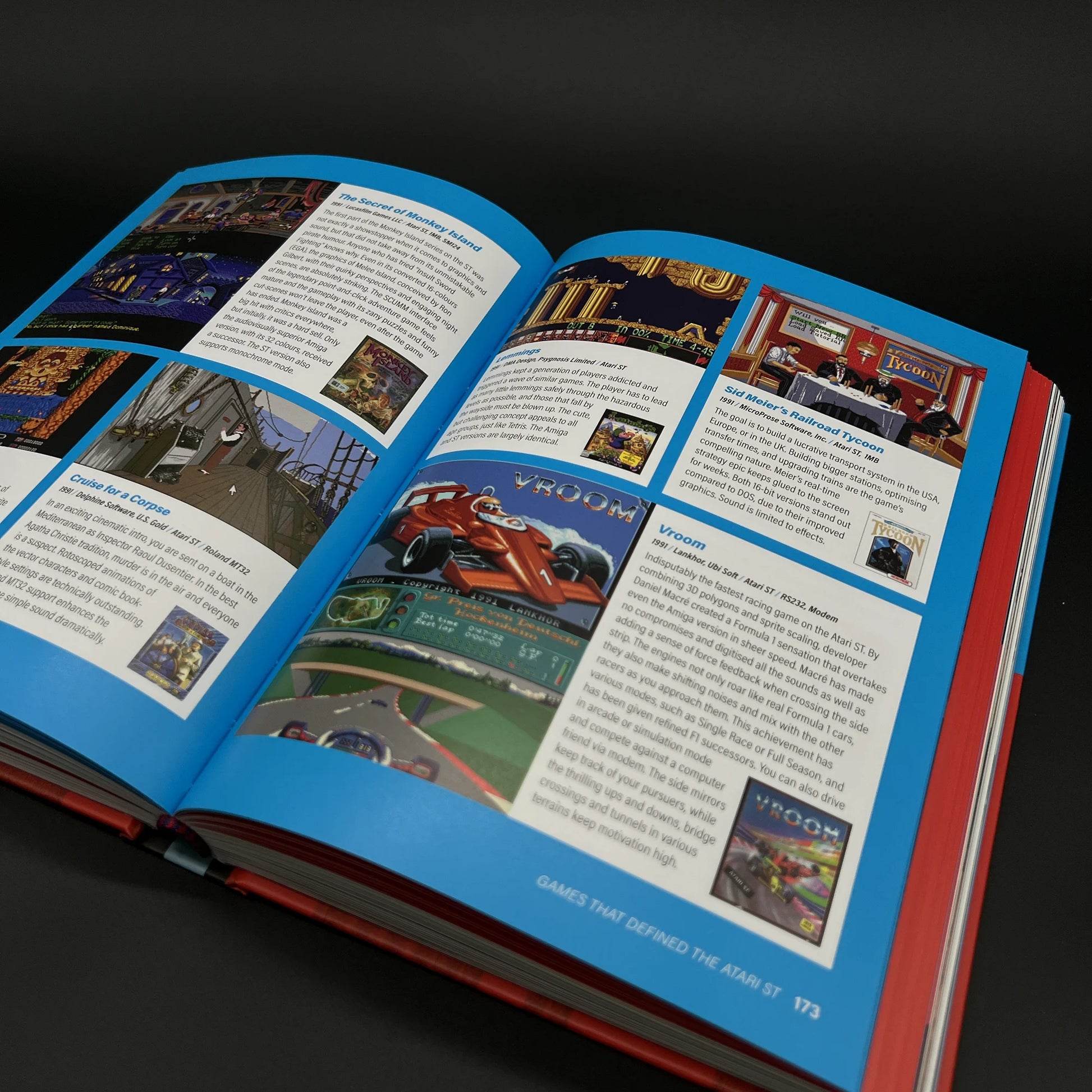
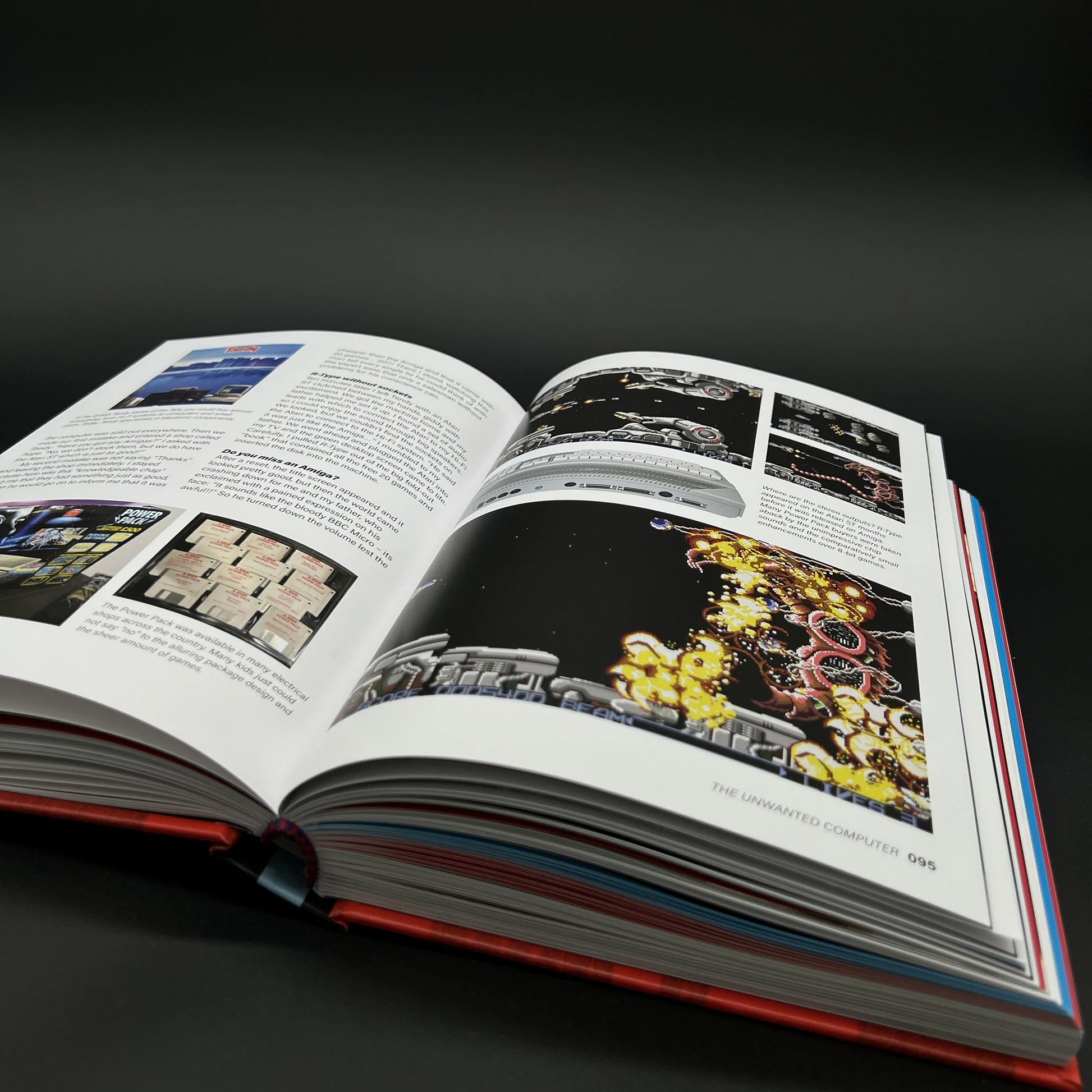
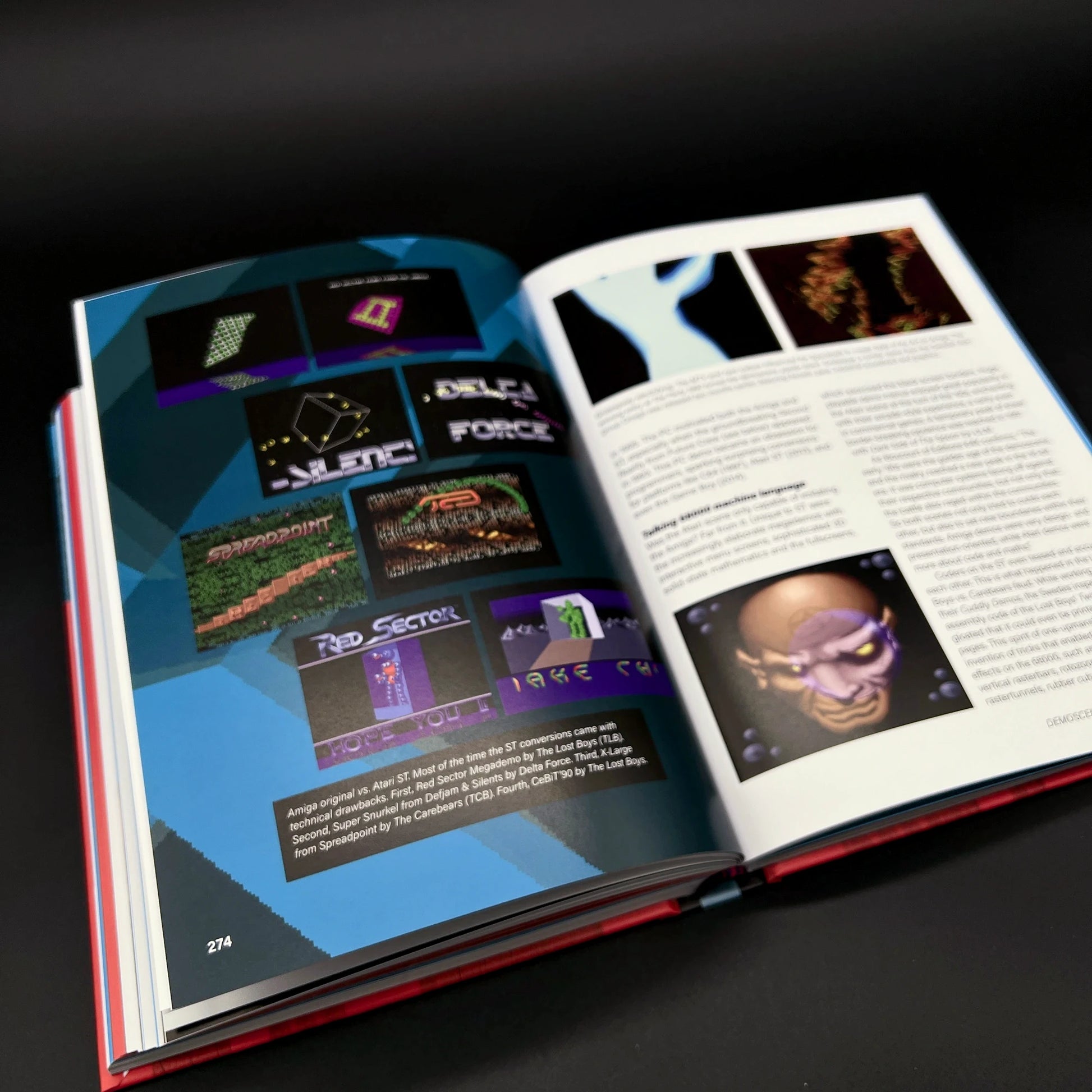
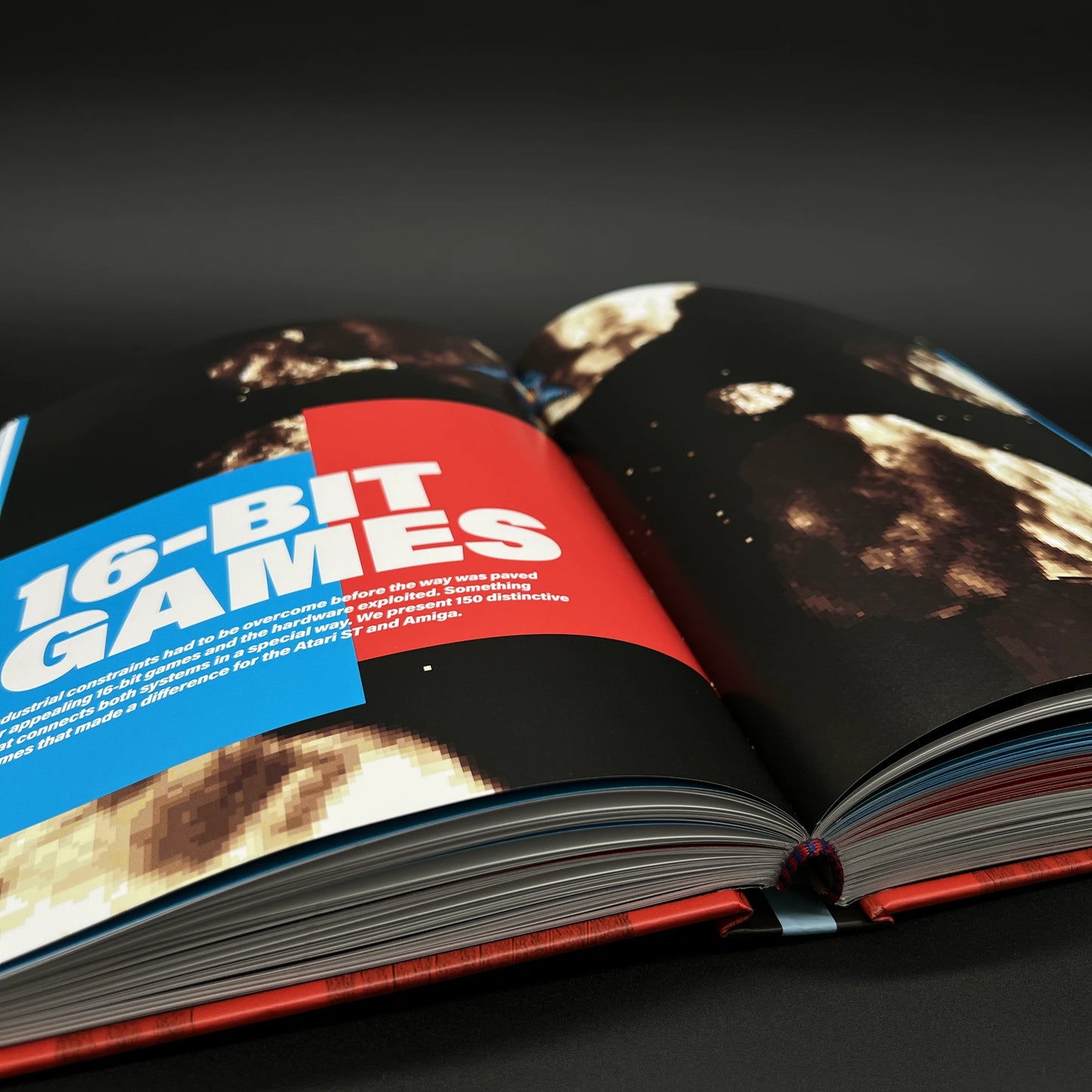
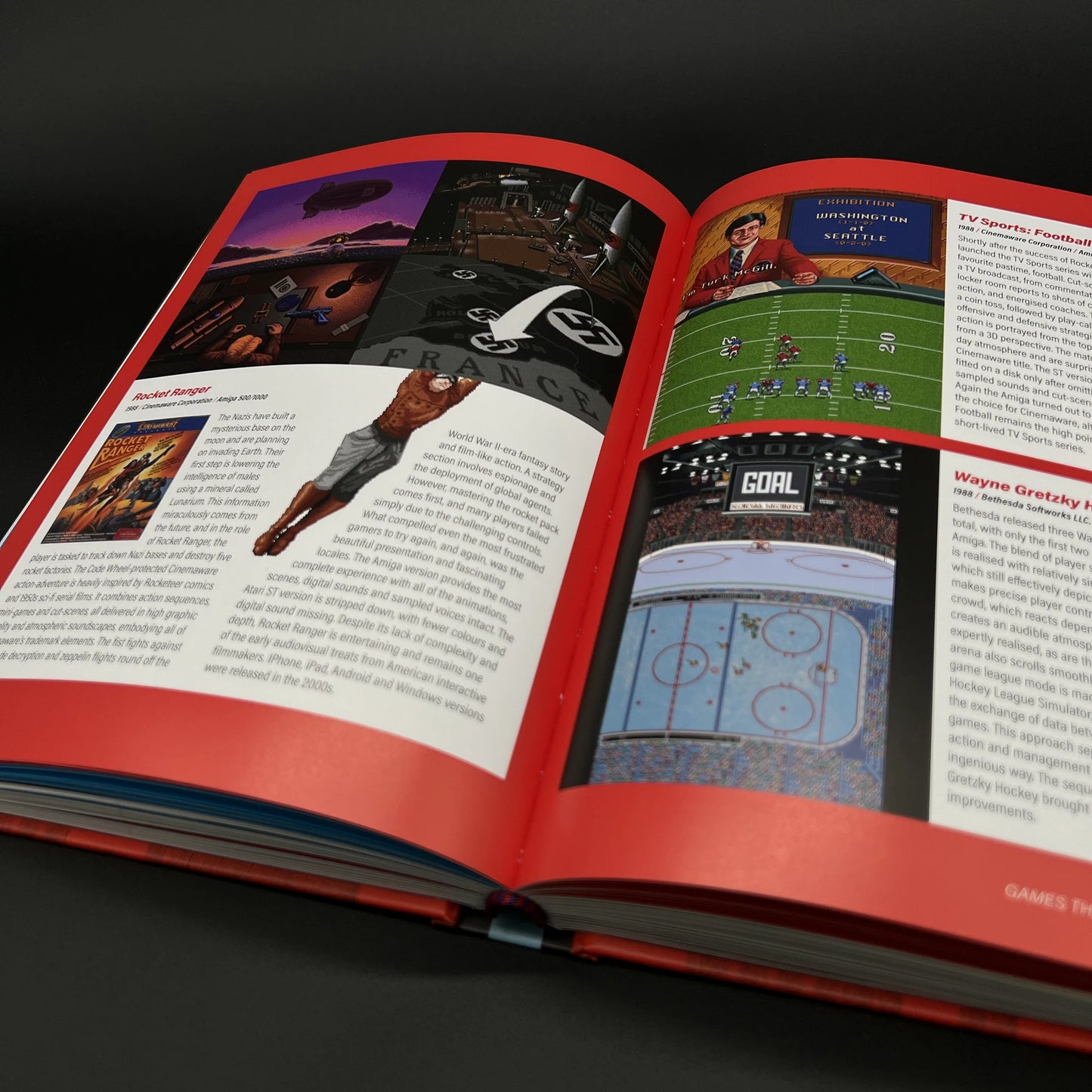
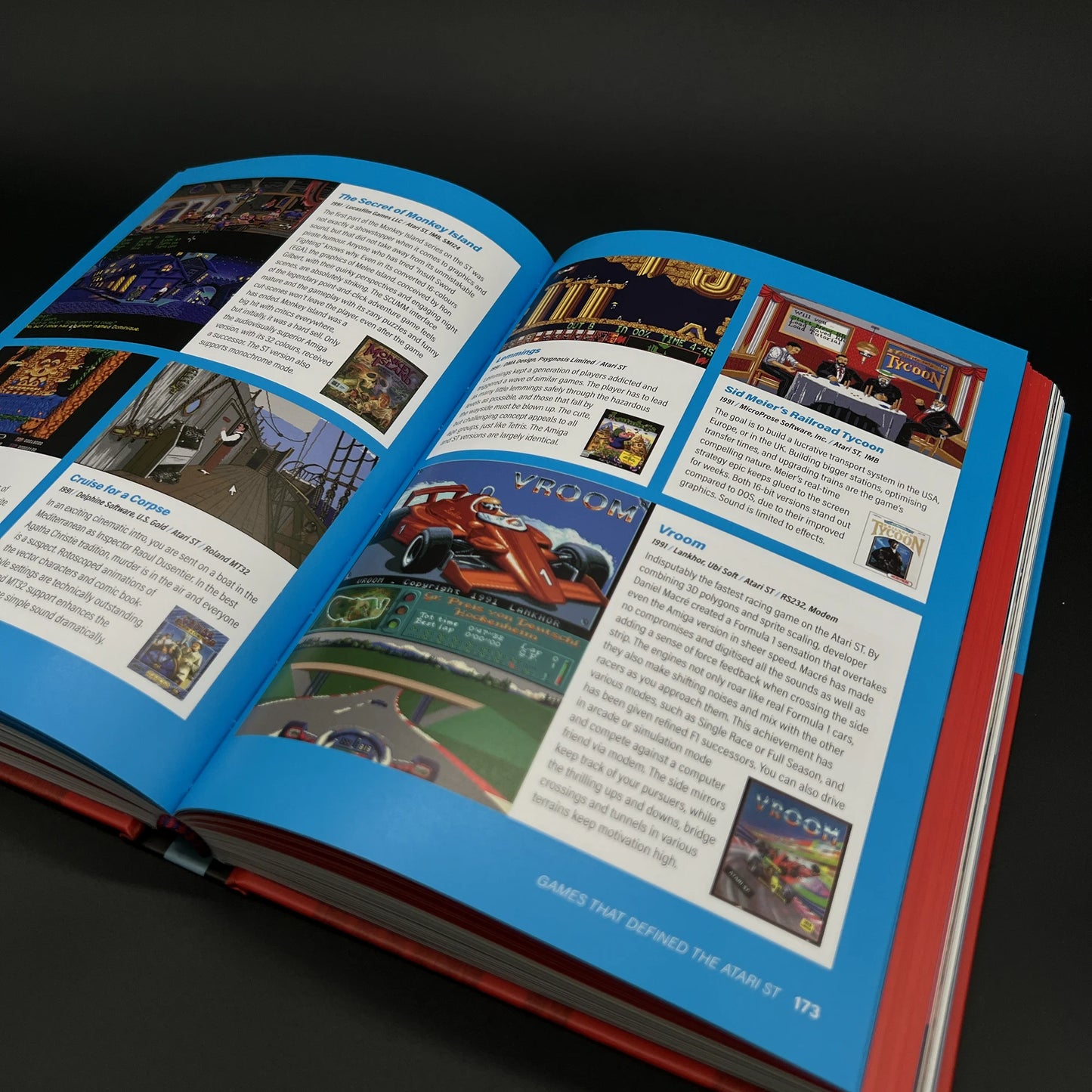
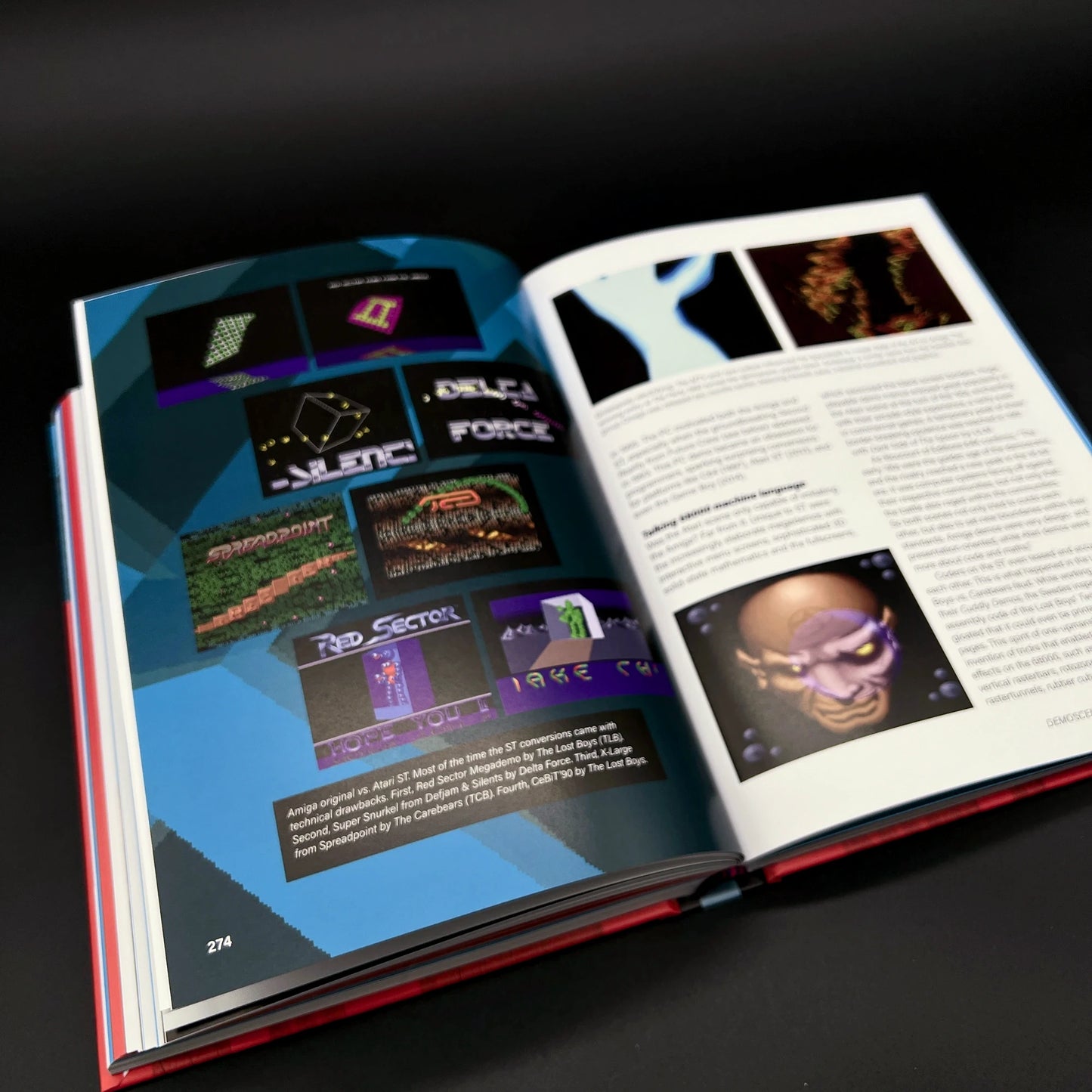
Across 70 dedicated pages, our team tests and compares a wide range of Amiga and Atari ST games, examining graphics, sound, performance, playability and the different strengths of each system. Rather than attempting to create yet another definitive ranking, we focus on titles that set technological or creative standards for their respective machines.
The result provides a broad overview of the diversity of the 16-bit games market and highlights where the two platforms differed – and where the supposed technological divide was much smaller than contemporary debates suggested. A separate section also explores productivity software and its historical significance, reflecting the broader ambitions of both systems beyond gaming.
The dream of the all-in-one machine
How far did the dream of an “all-in-one machine” become reality once the 16-bit wars were over?
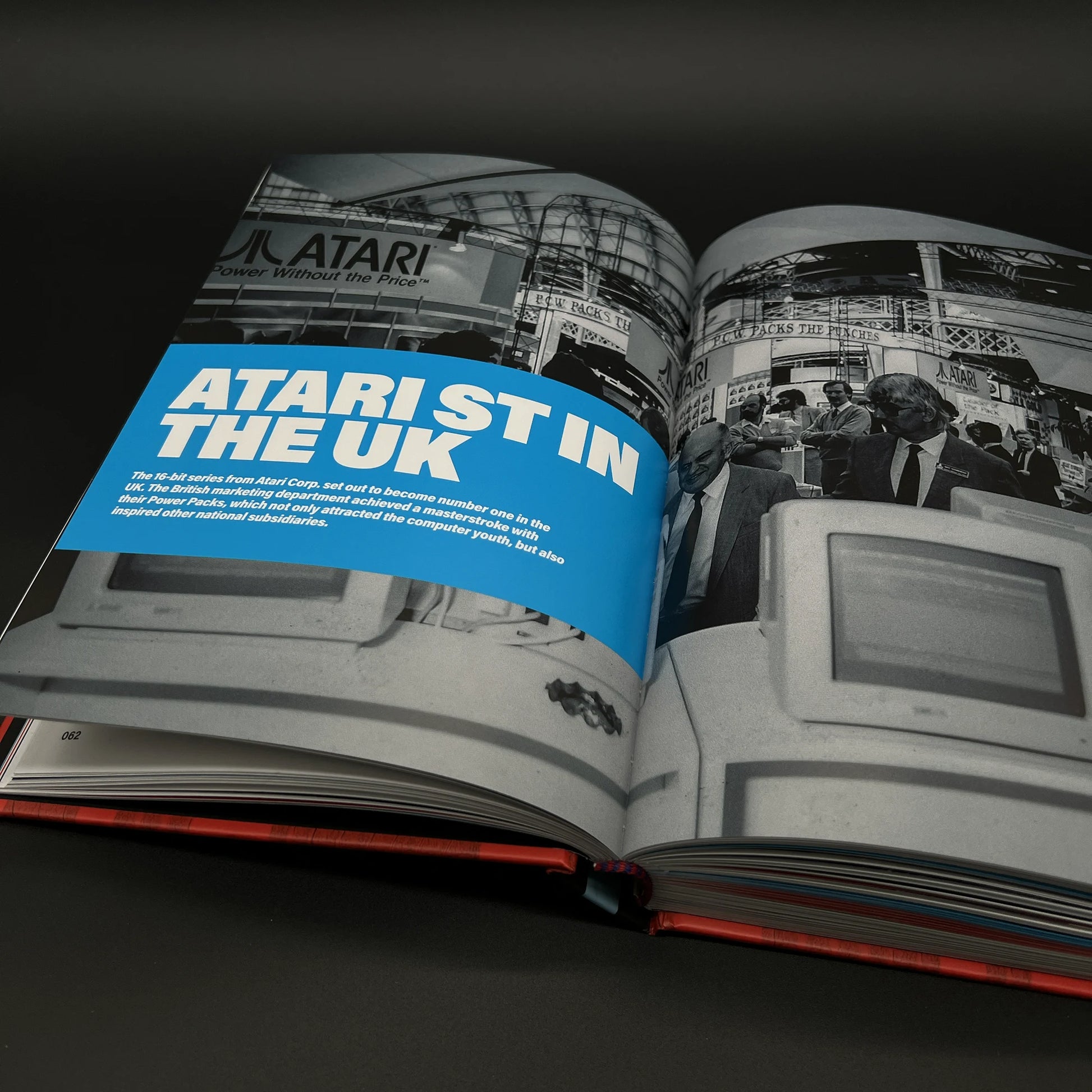
THE FLAME WARS follows the commercial development of both platforms and examines the diverging priorities of different international markets. It explores the ideas and expectations surrounding the Atari ST and Amiga, the communities that grew around them, and the significance these computers continue to hold today.
68000: THE FLAME WARS is a comprehensive retrospective of 16/32-bit computer culture, revisiting the technological achievements, commercial ambitions and passionate conflicts of the era. It celebrates what these machines accomplished while taking a critical look at what the 16-bit generation ultimately left behind.
PEOPLE & FEATURES
PEOPLE & FEATURES
Atari ST
Chris Swinson — Exxos Forum
Darryl Still — Atari UK
David Hecq — Atari France
Erik Simon — Thalion, Blue Byte
Illegal — Underground community
Jean-Charles Meyrignac — Titus, Ocean France
Juan Irming — Music, Atari demoscene
Jurie Horneman — Thalion, Ubi Soft
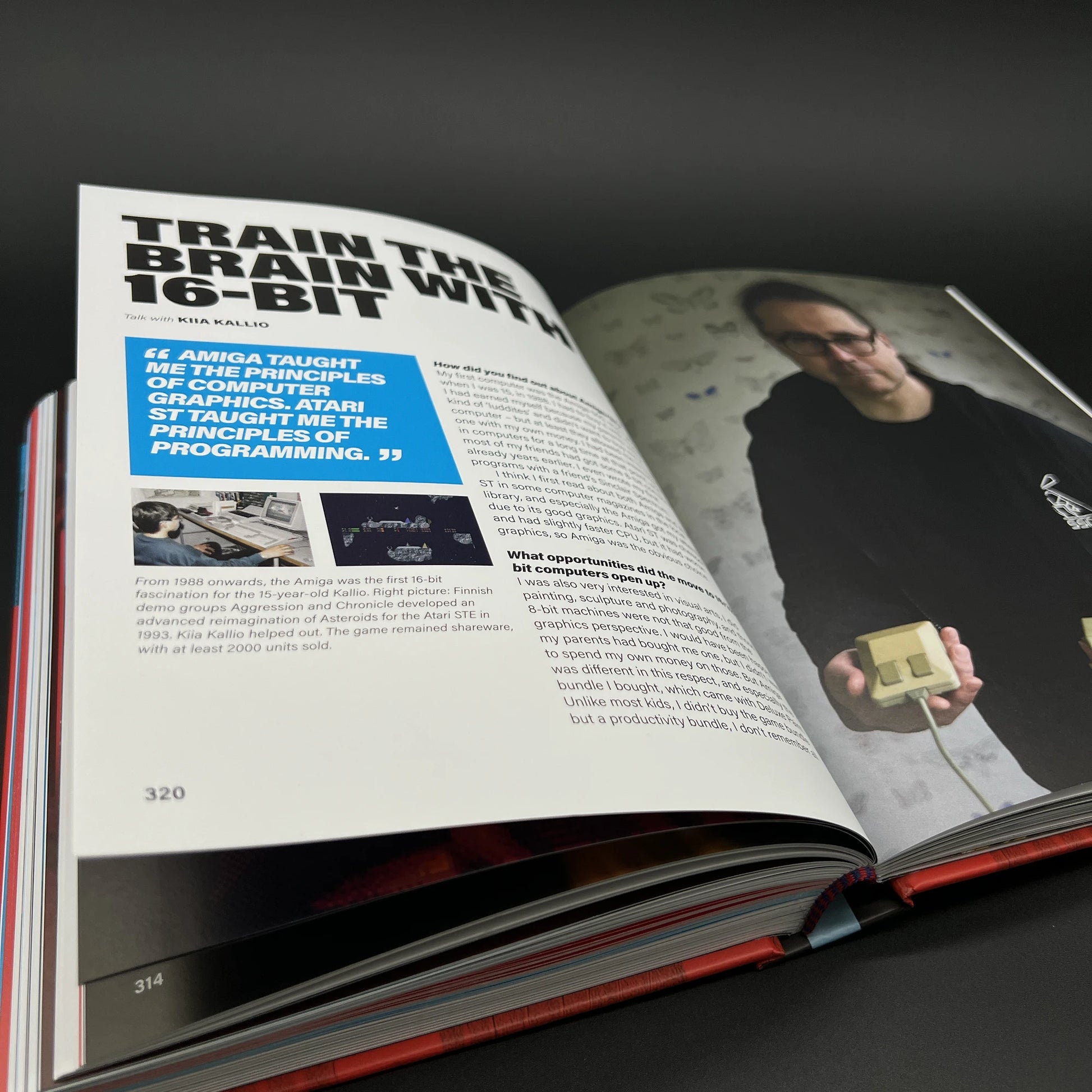
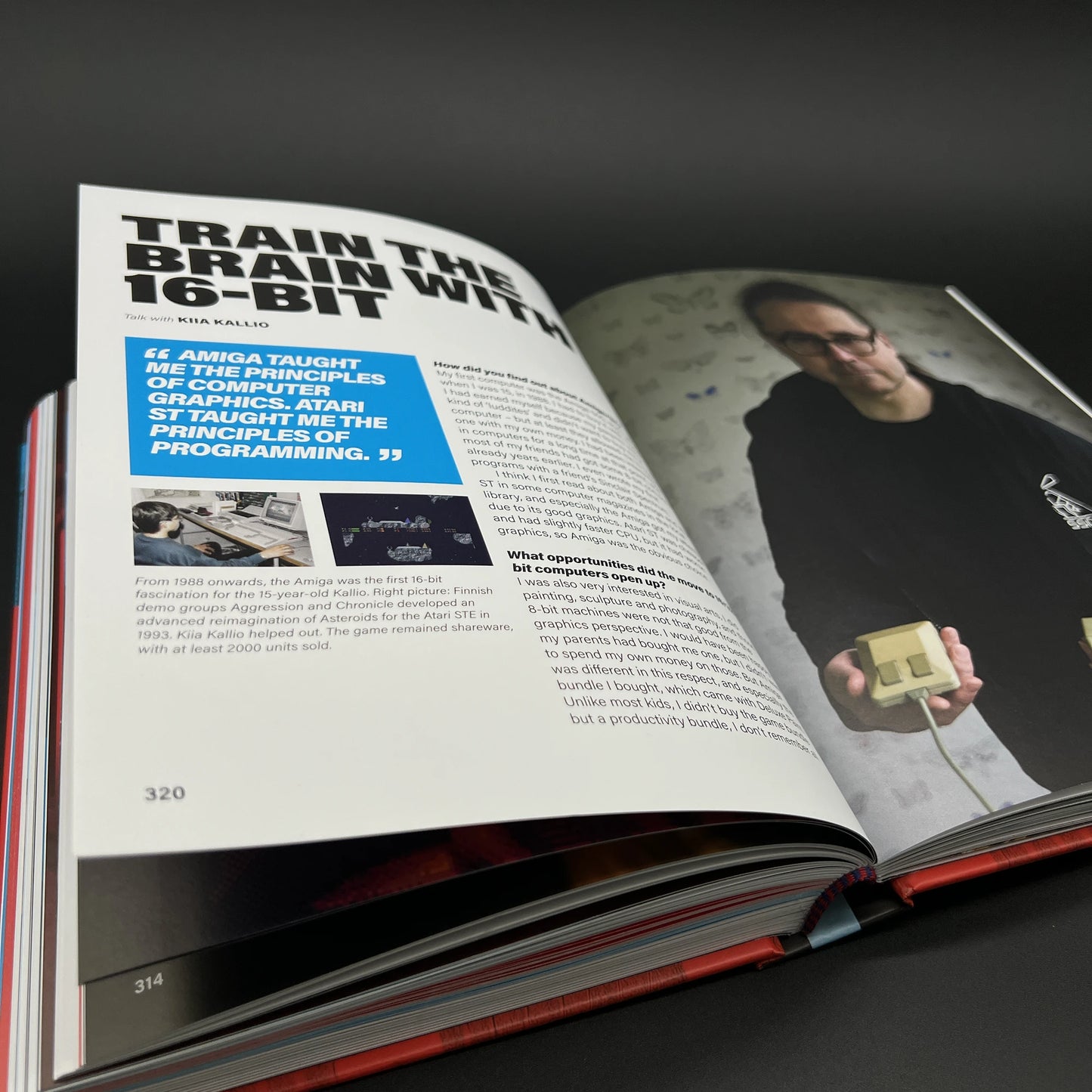
Kiia Kallio — Remedy Entertainment, AMD, Intel
Marc Rosocha — Eclipse Software
Mia Jaap — ST-Computer magazine
Simon Butler — Ocean UK
Amiga
Christophe Boucourt — Amiga demoscene
Darren Coles — Workbench vs. TOS
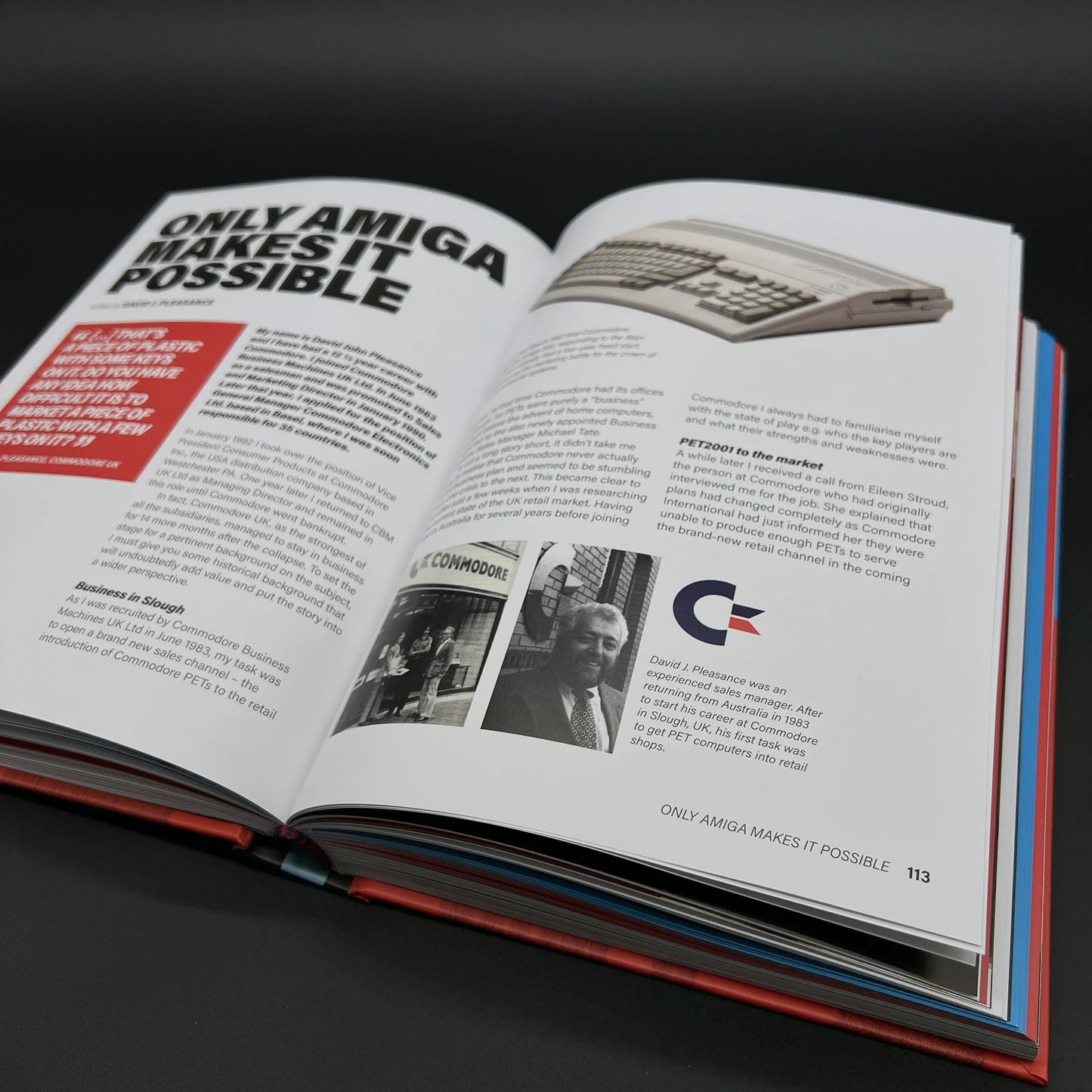
David J. Pleasance — Commodore UK
Galahad — Fairlight, Binary Emotions
Leif Oppermann — Amiga demoscene, Haujobb
Lutz Wolff — Retro emulation
Martin B. Pedersen — Cope-Com
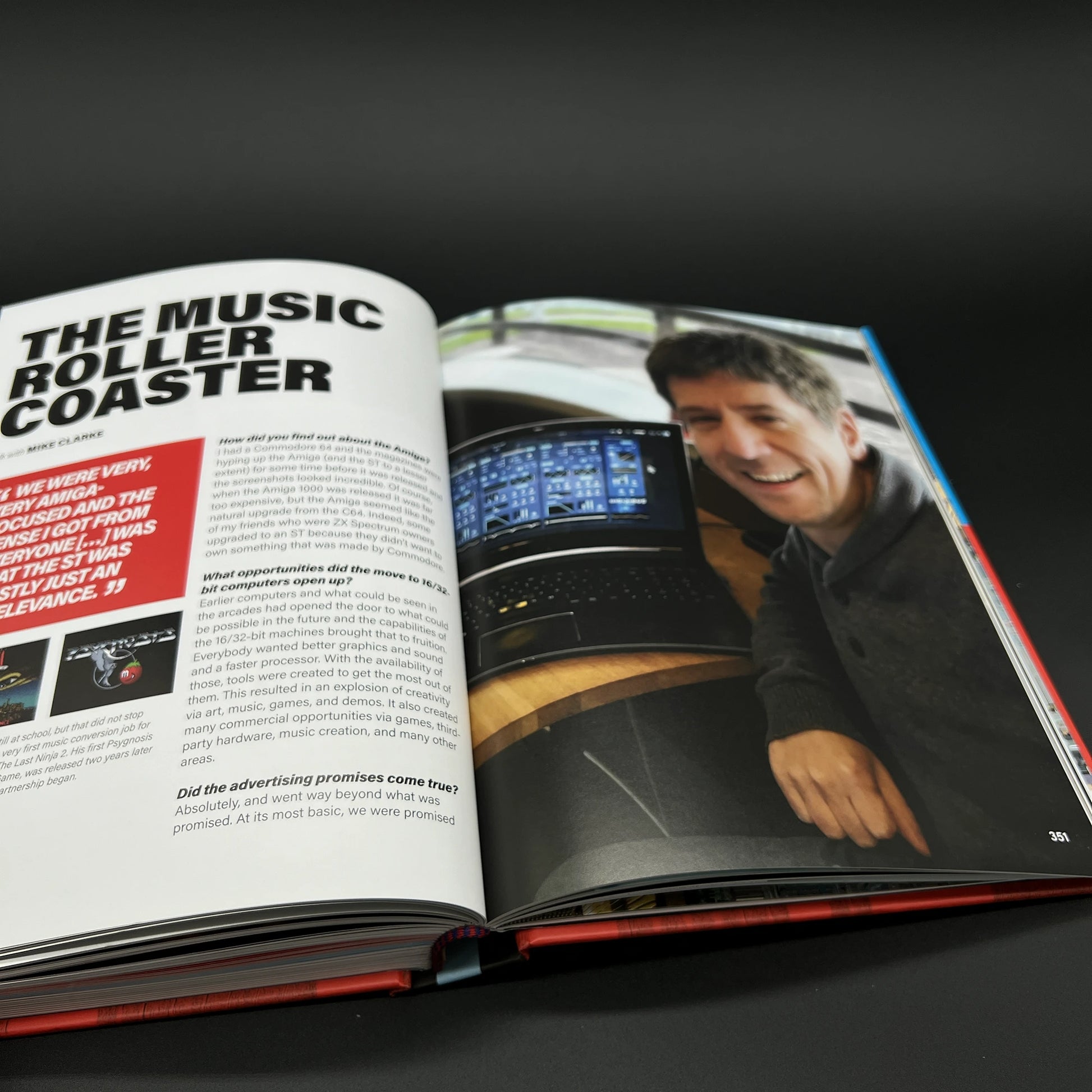
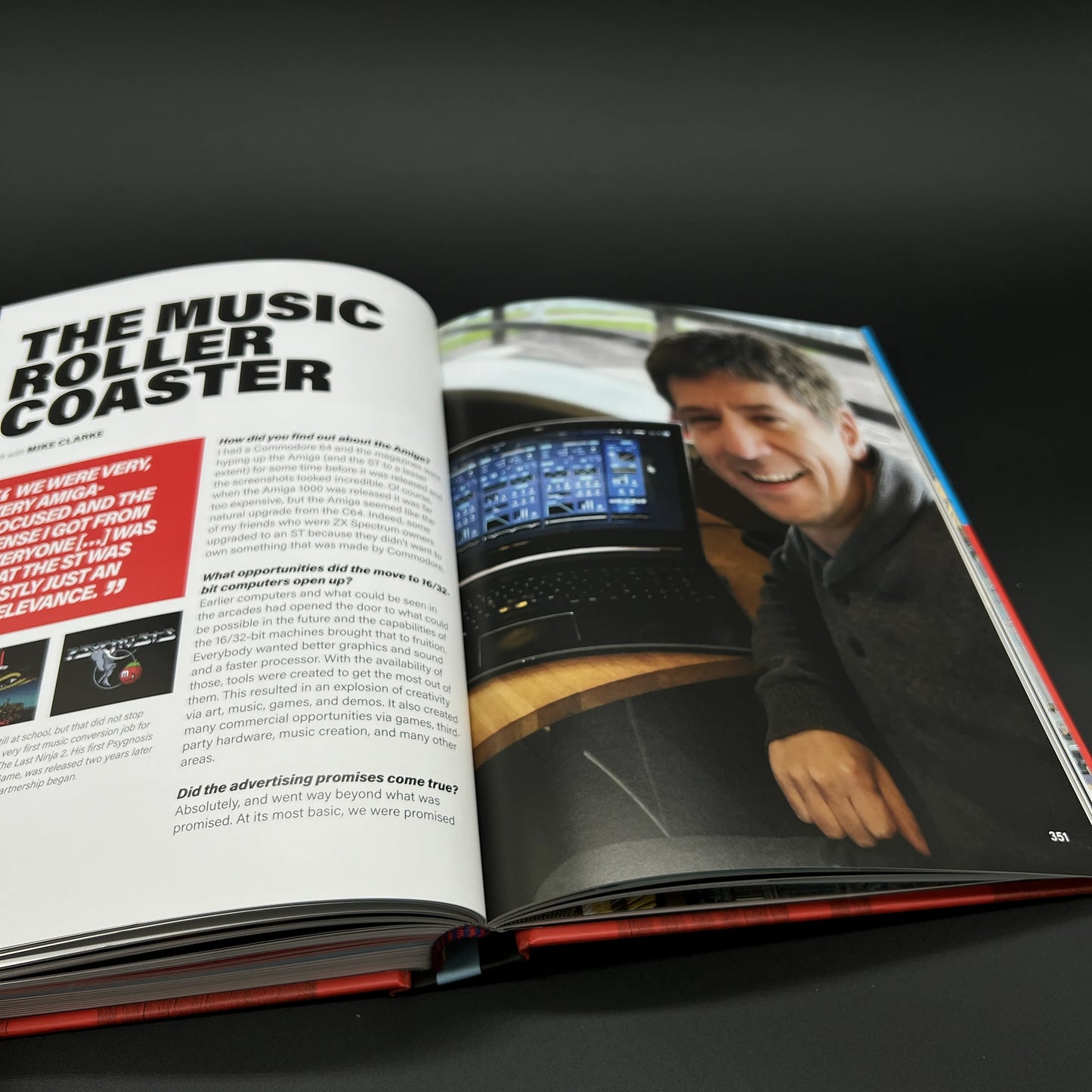
Mike Clarke — Psygnosis
Stoo Cambridge — Impressions, Sensible Software
Tobias J. Richter — reLine, Team17
Torben B. Larsen — Cope-Com
Articles & essays
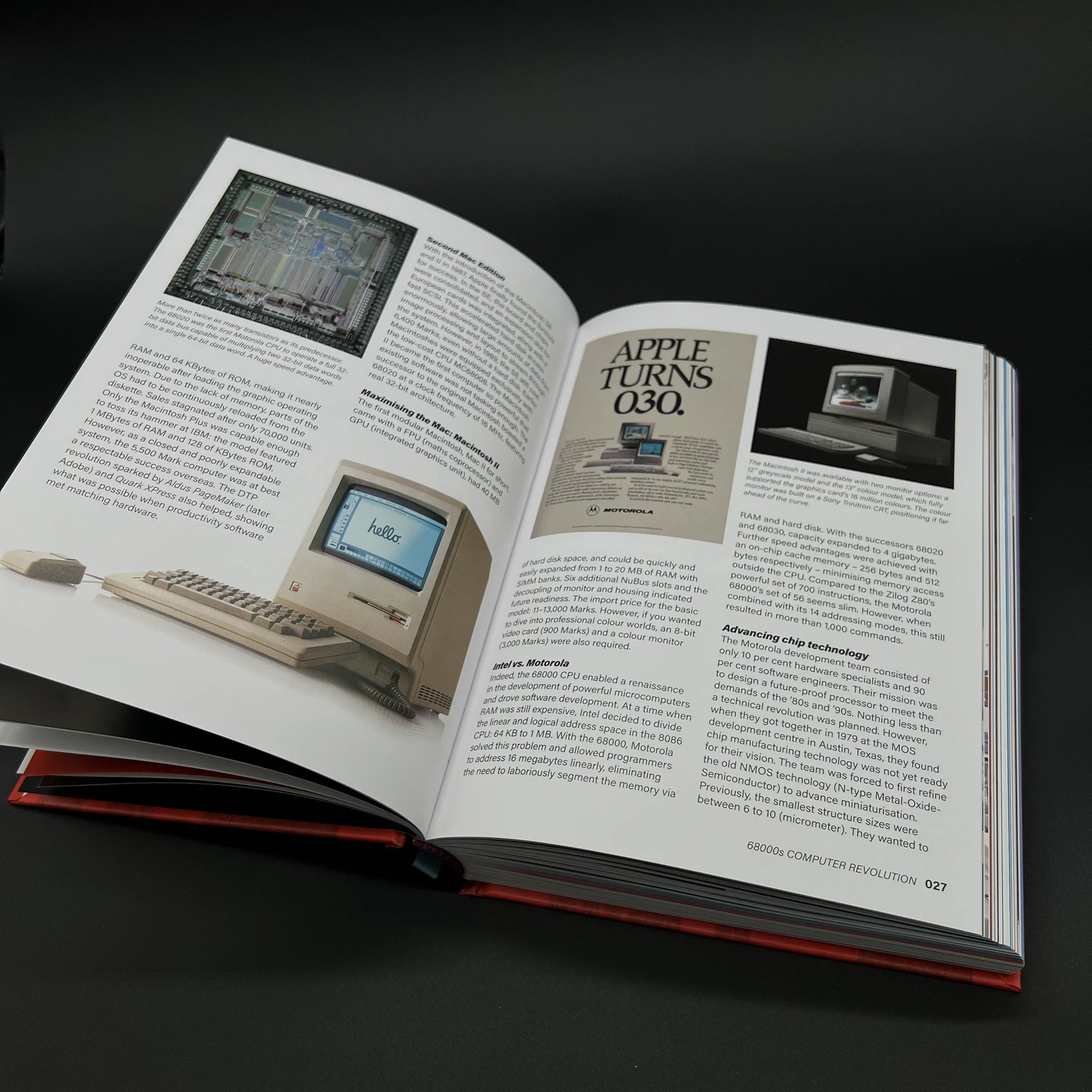
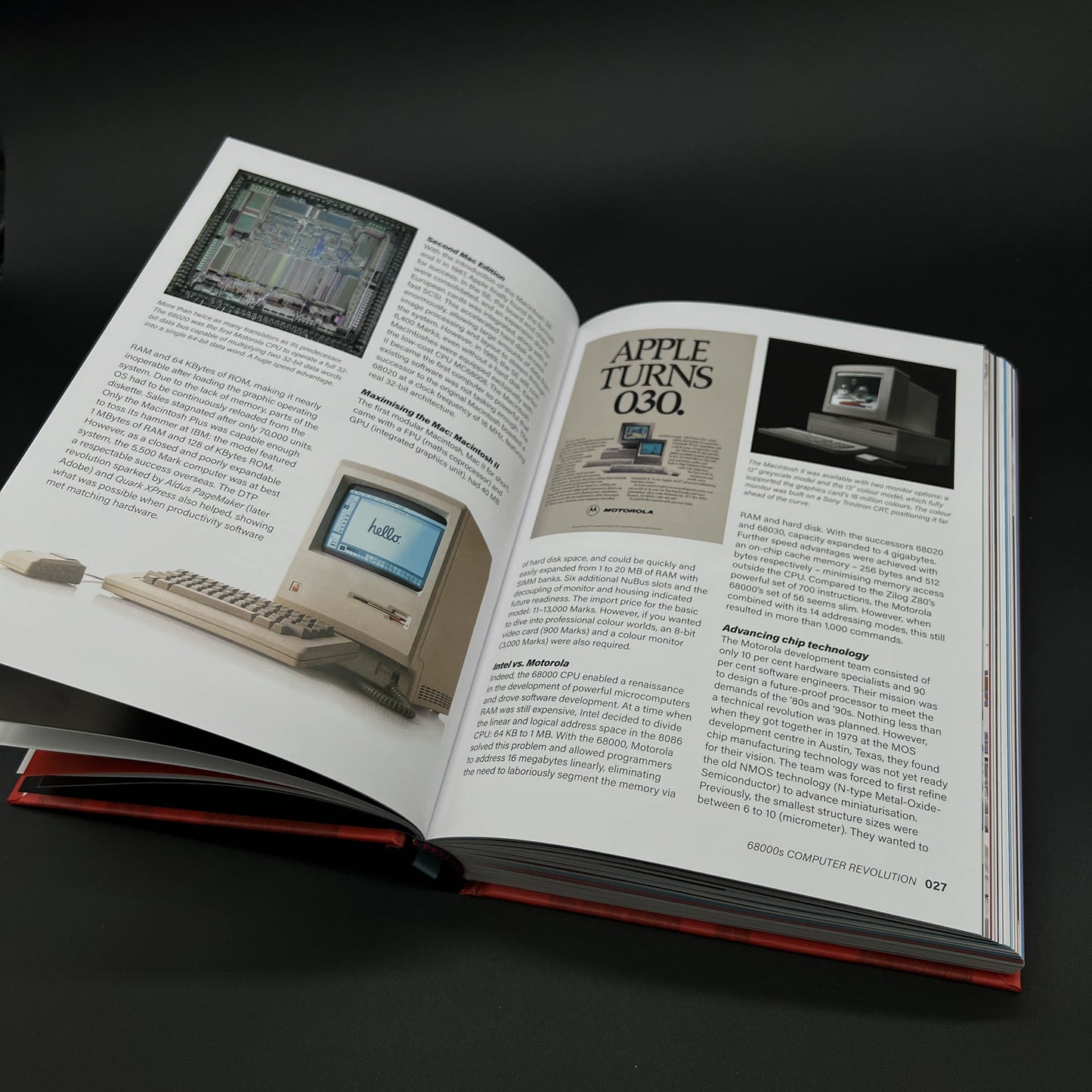
The 68000 Computer Revolution
A Brief History of Operating Systems
Prophetic Software Worlds
Printing Silicone on Paper
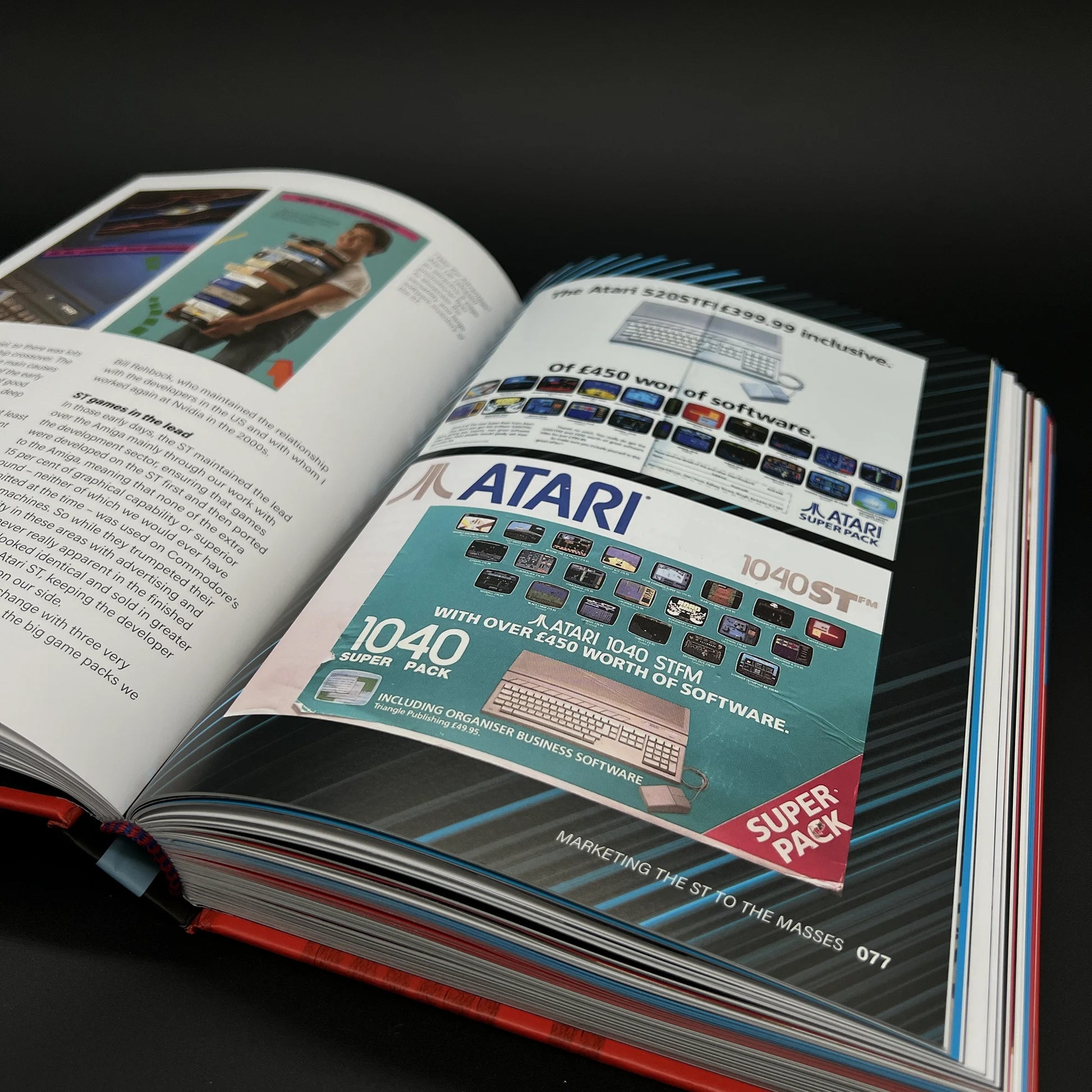
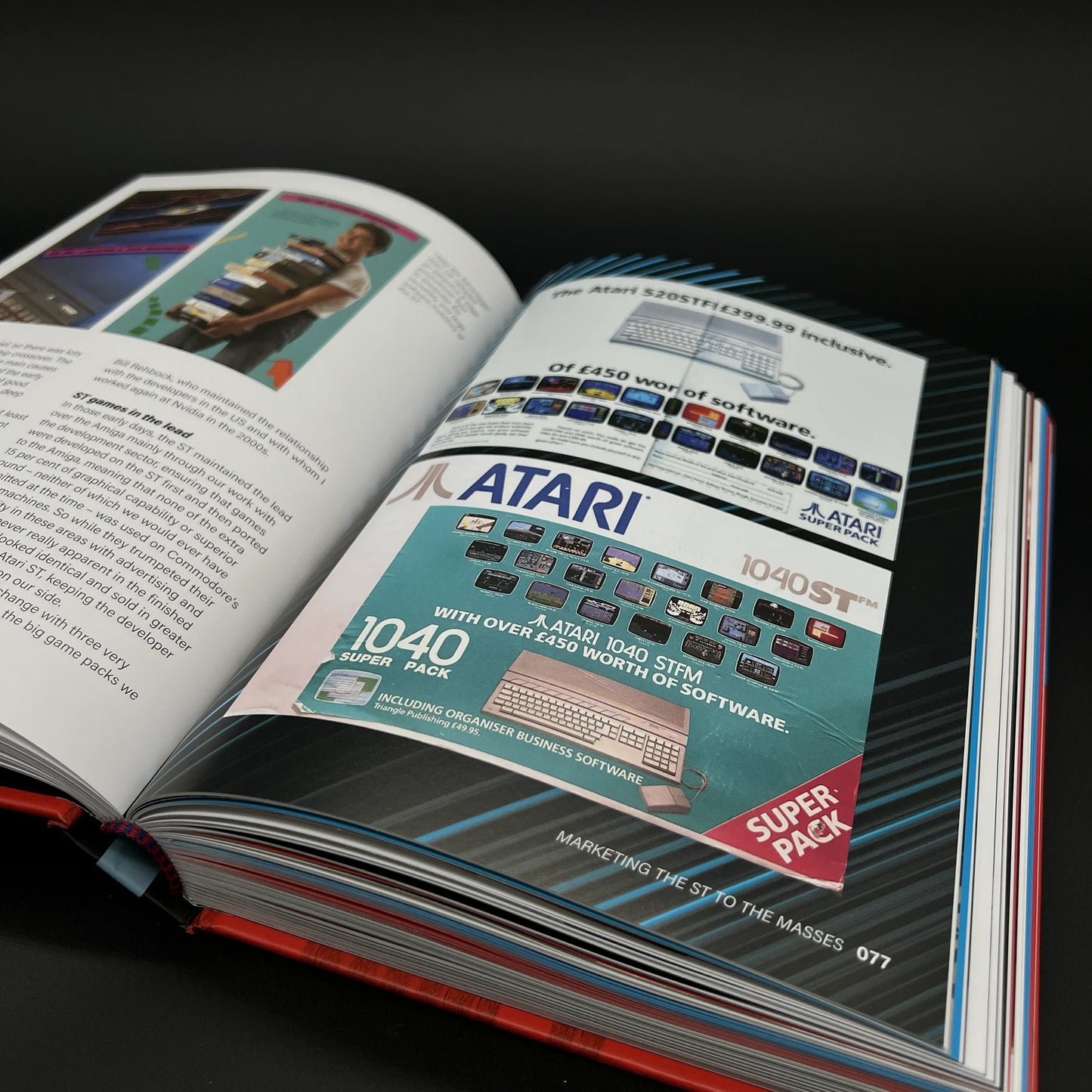
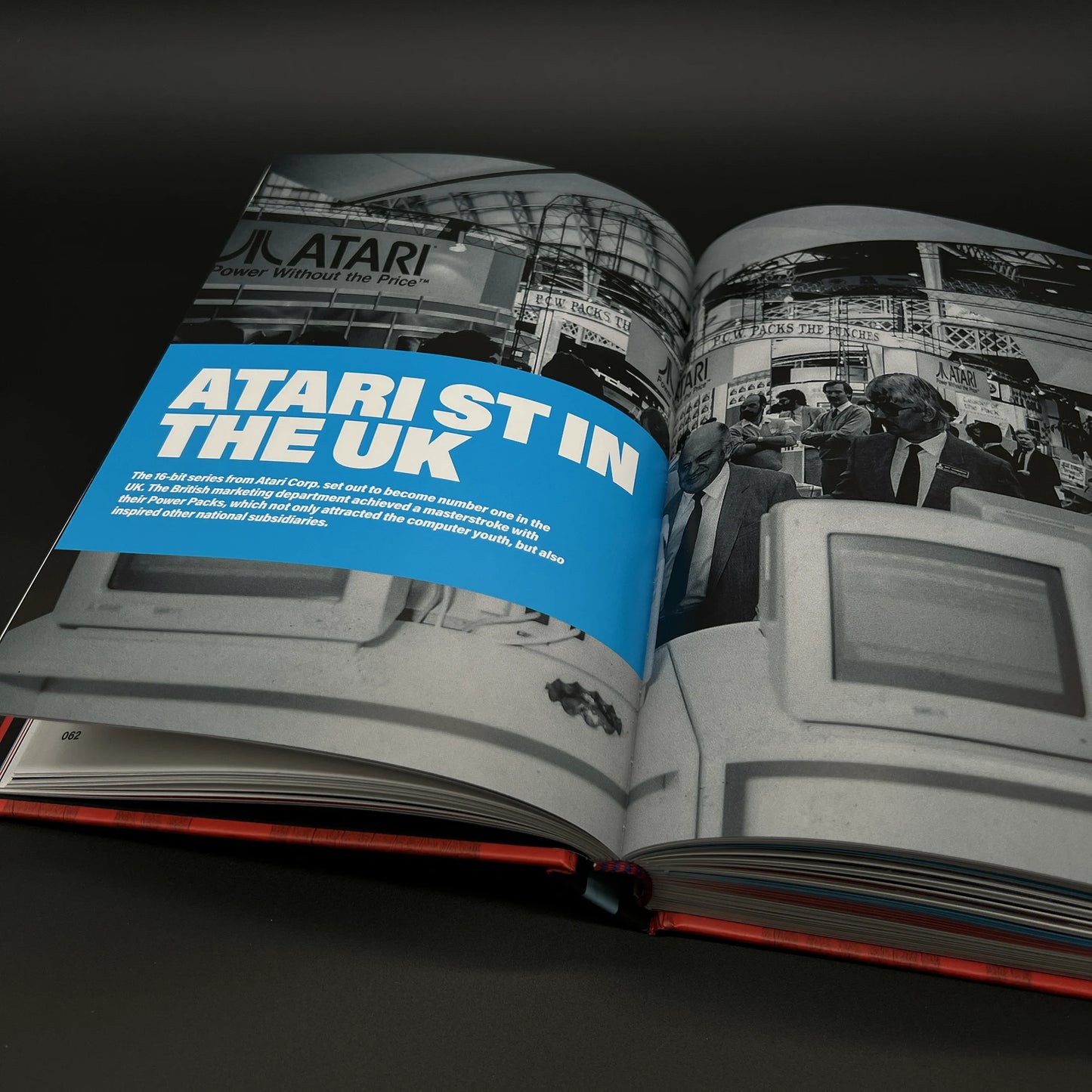
Marketing the ST to the Masses
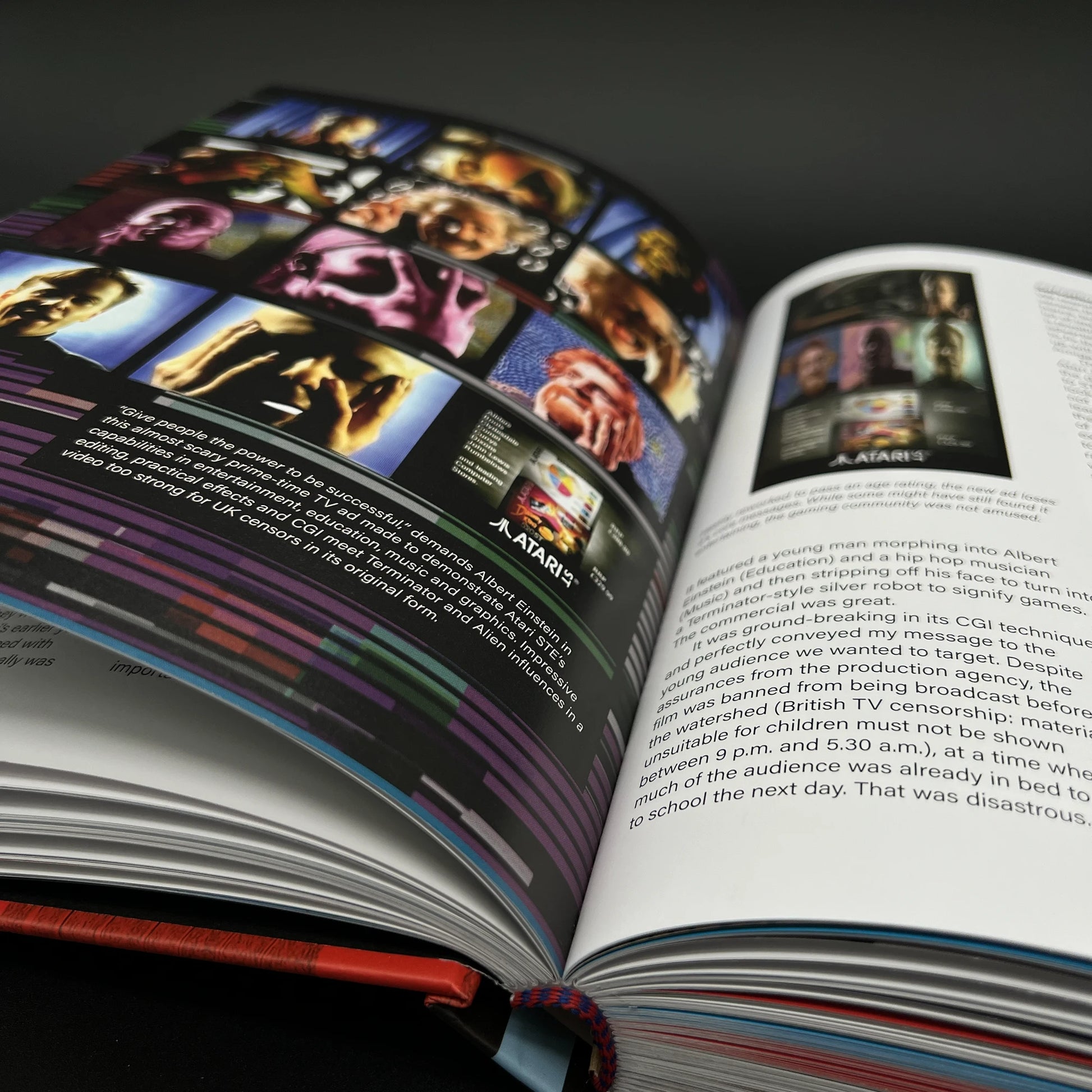
Only Amiga Makes It Possible
Selling 71 Hz in Germany
Crocodile Race in France
The Rise of 16-bit Games
Games That Defined the Atari ST
Games That Defined the Amiga
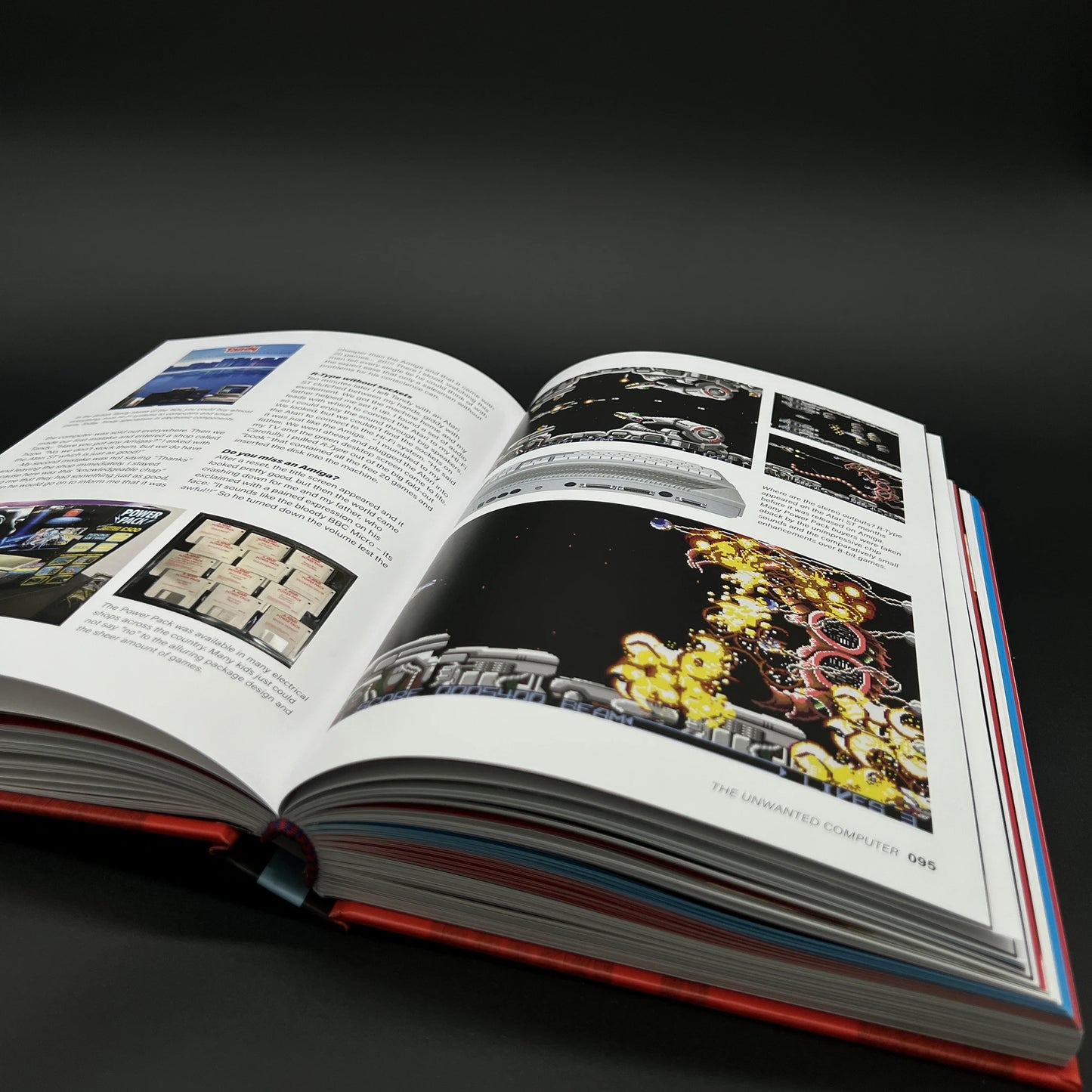
The Unwanted Computer
System Destroyer
Anti-Amiga Meant to Feel Alive
The Immortal Flame
My Name Is Noname of Haujobb
Demoscene with a Difference
When Your Memory Smokes
Atari Sucks!
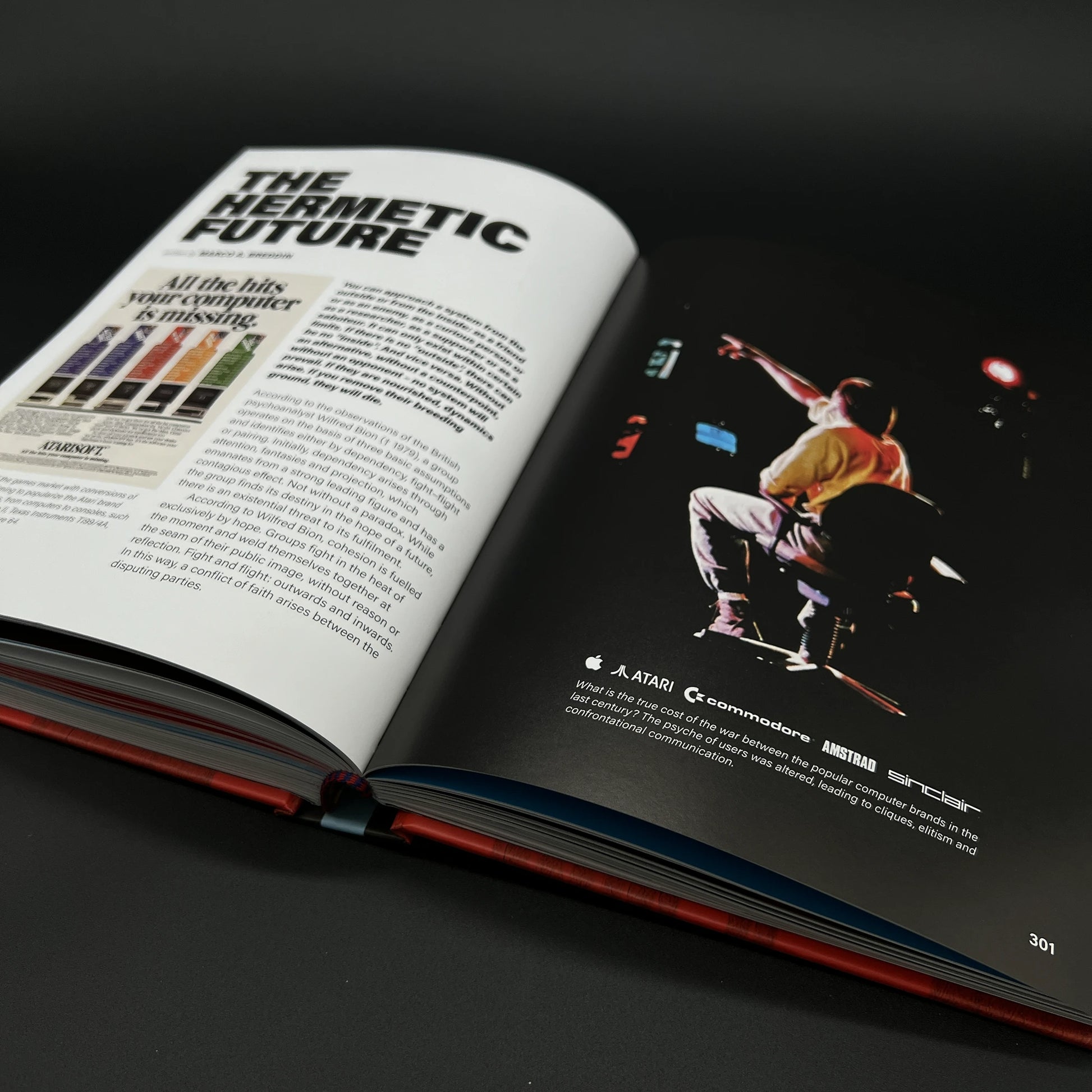
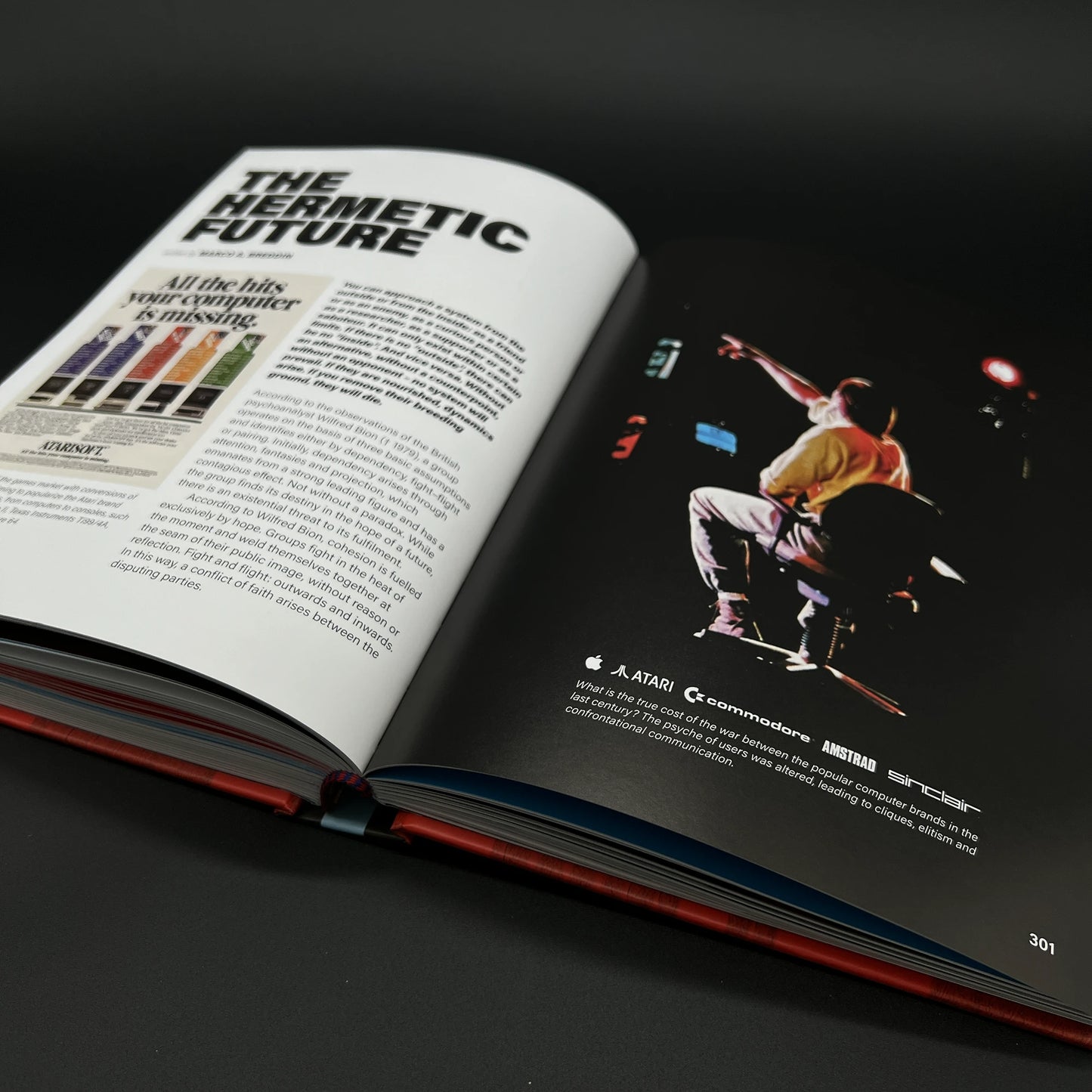
The Hermetic Future
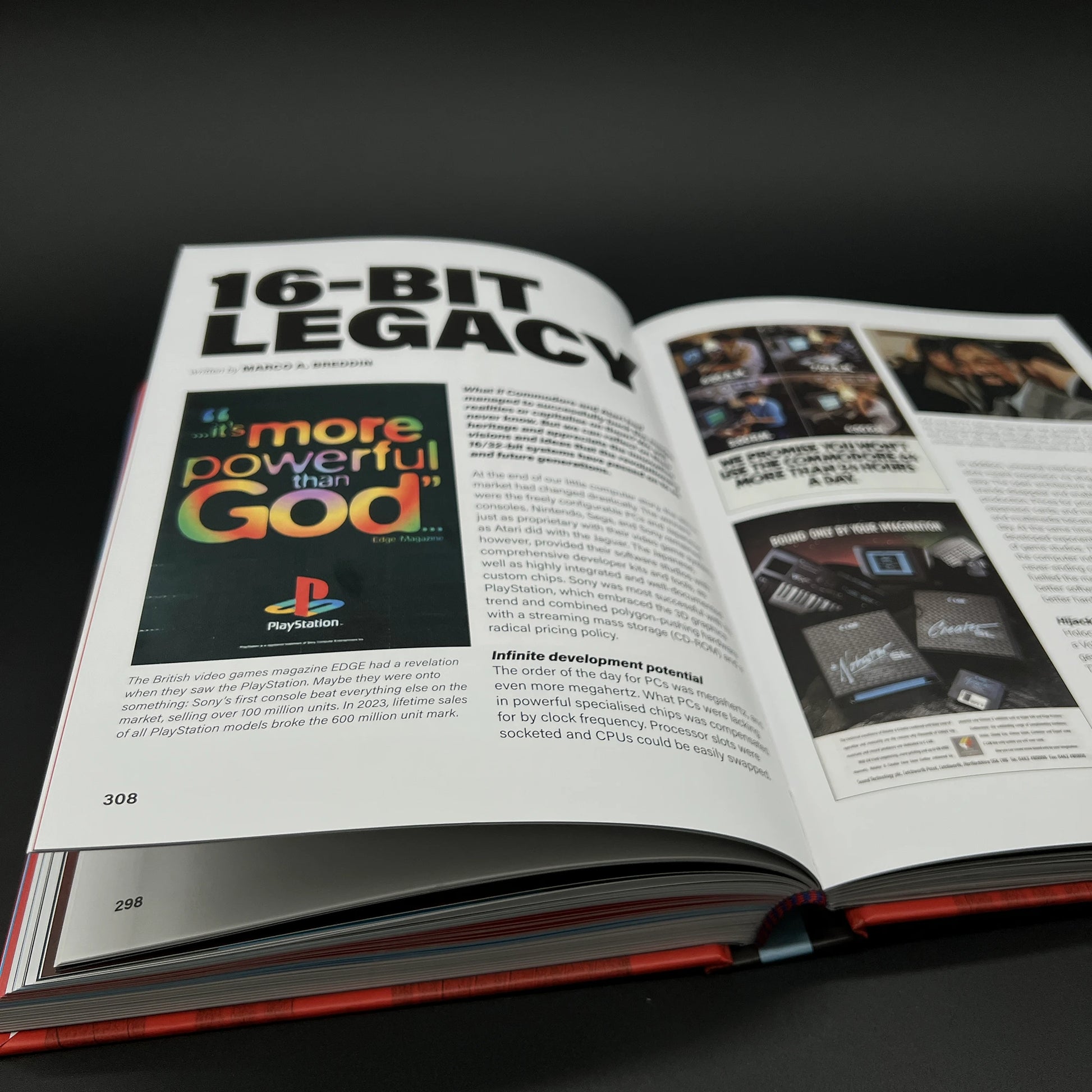
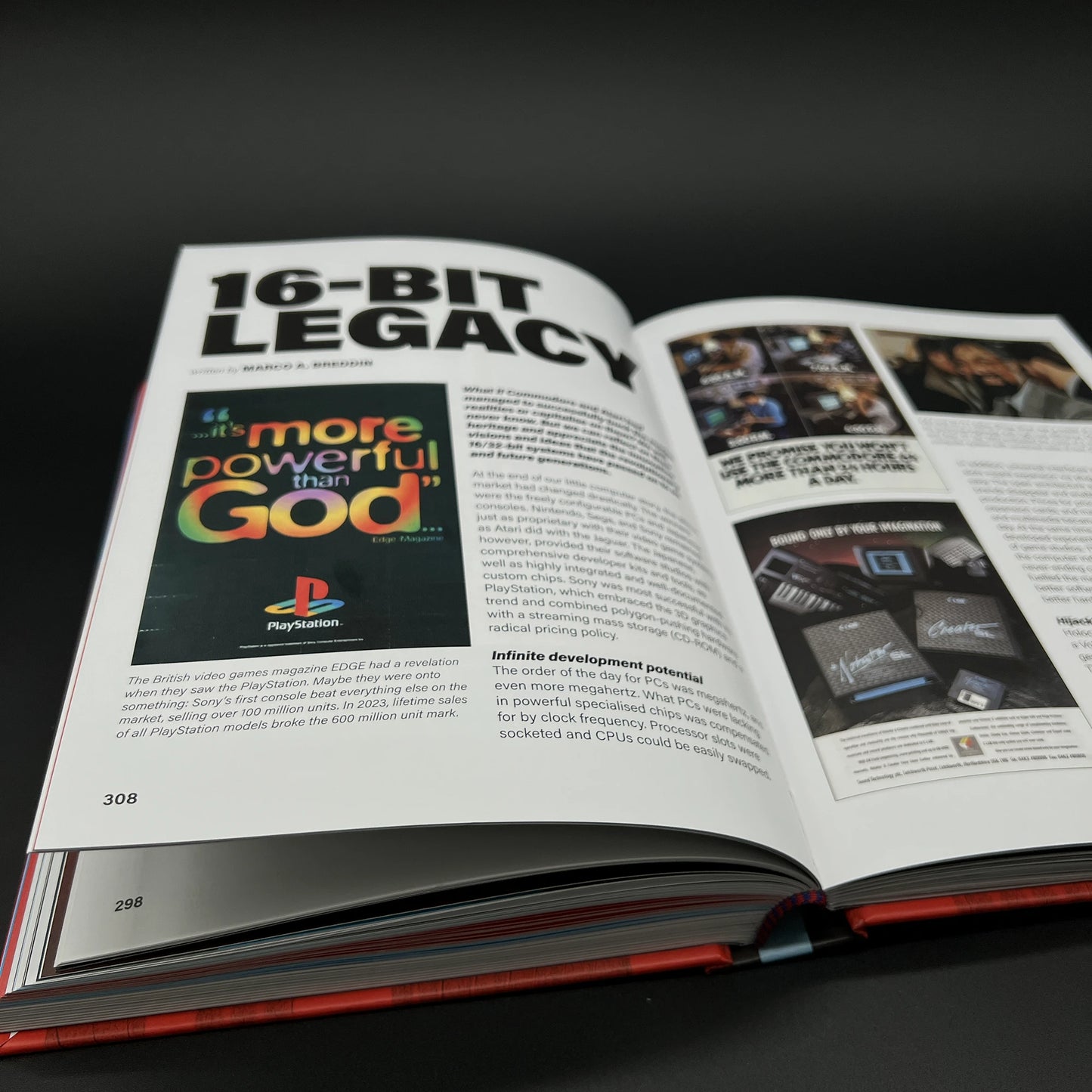
16-bit Legacy
EDITION DETAILS
EDITION DETAILS
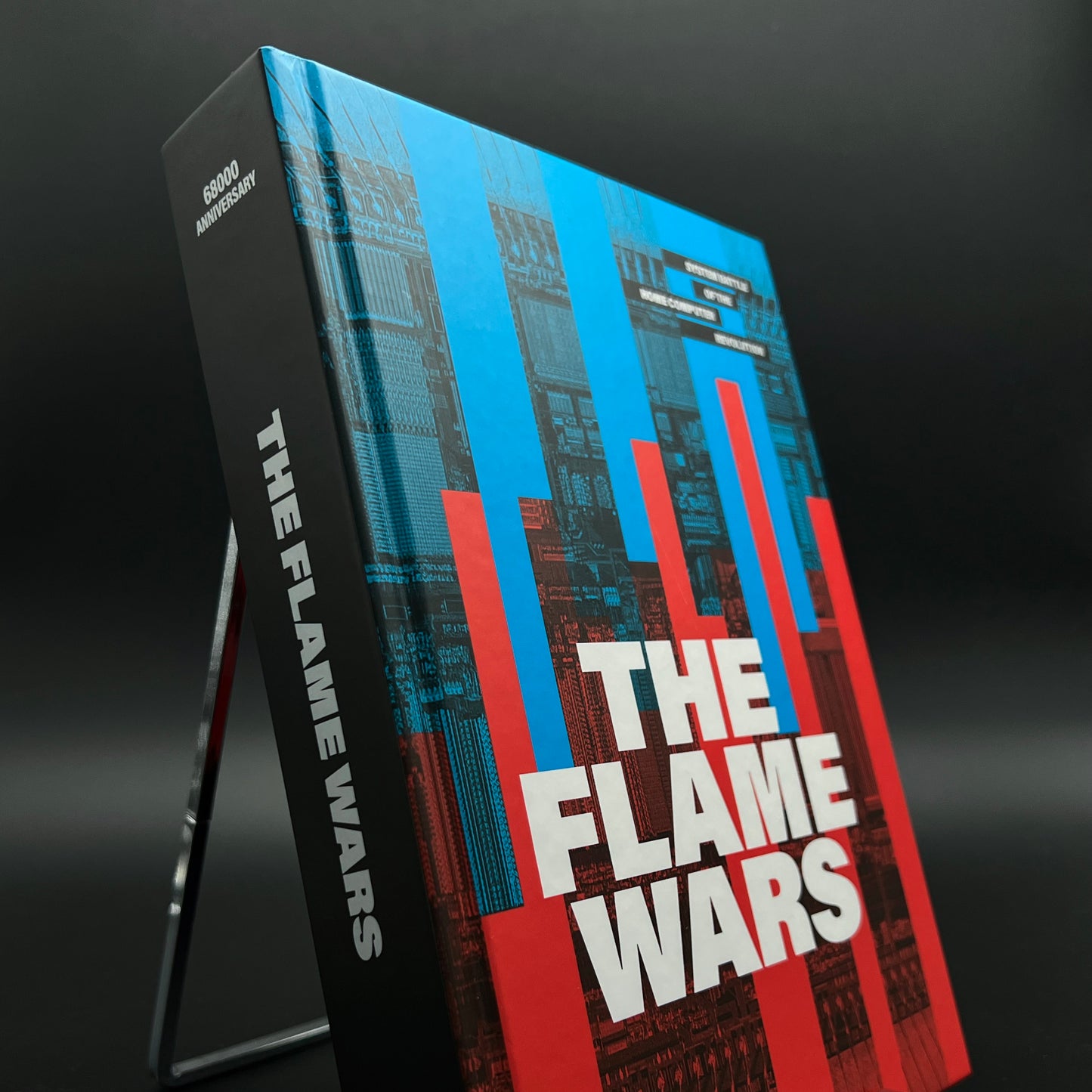
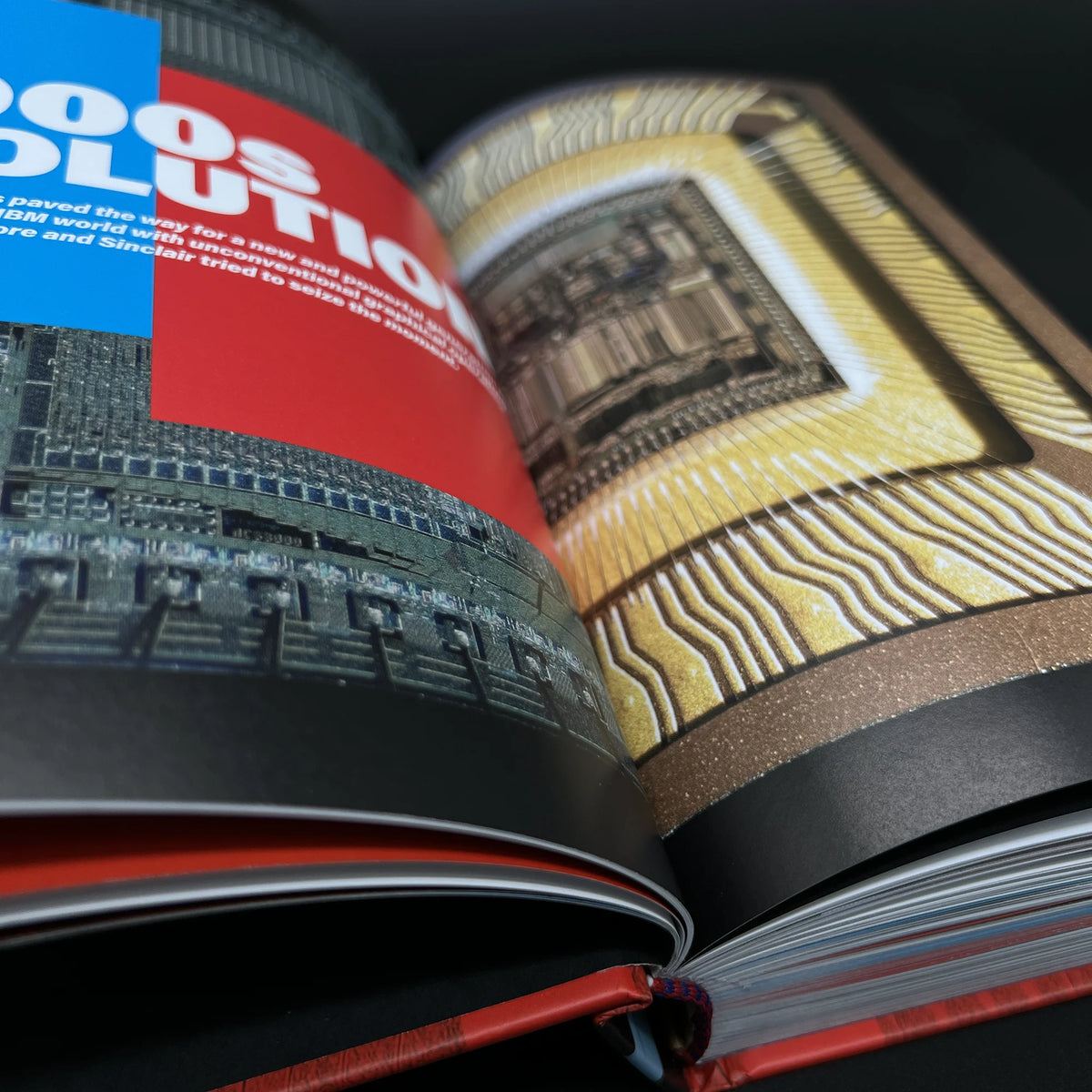
ENGLISH-LANGUAGE HARDBACK EDITION
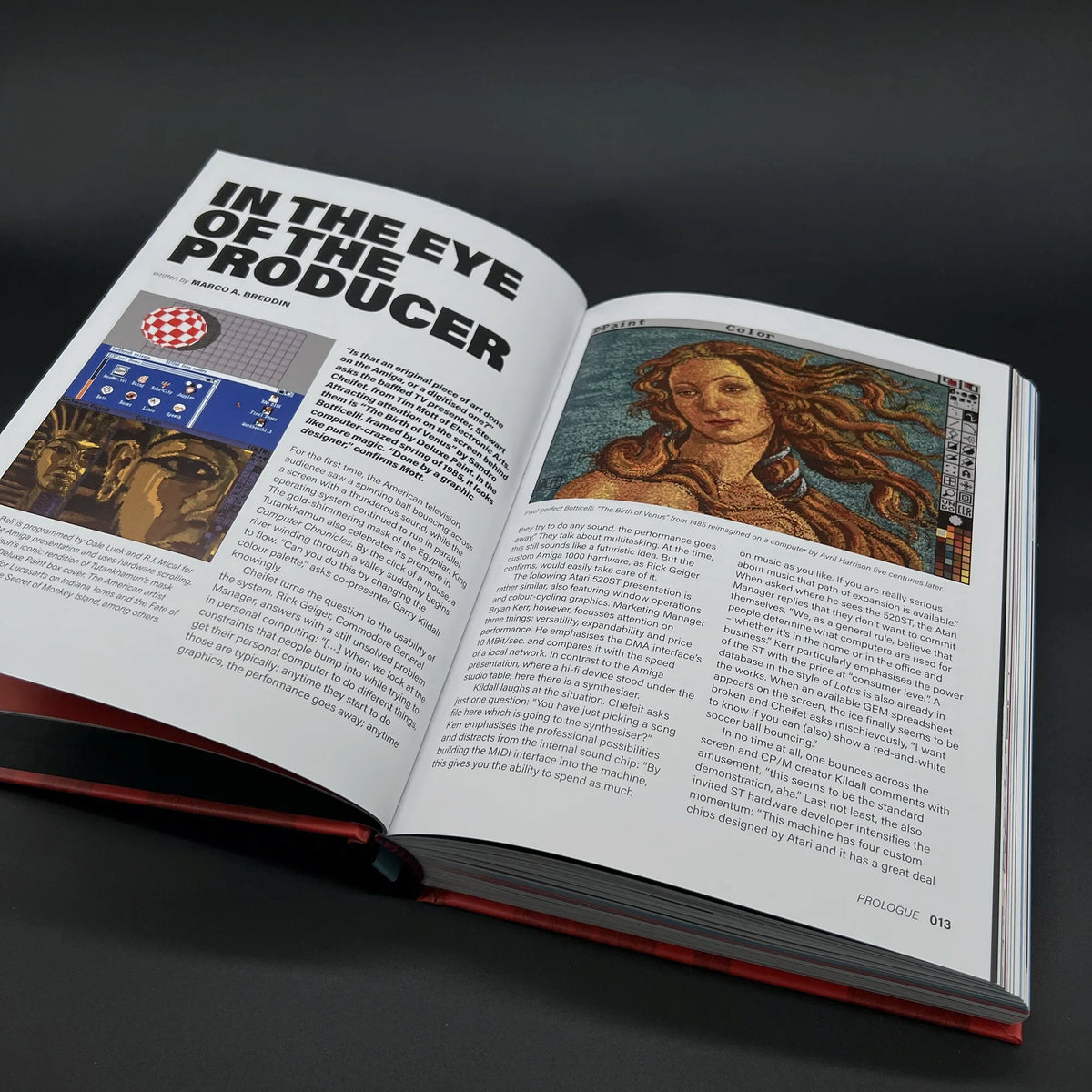
- 400 full-colour pages
- High-quality offset printing
- 170 × 230 mm portrait format
- Pantone metallic ink
- 150 gsm Arctic Silk paper
- Made in Germany
DELIVERY
DELIVERY
Hardback book
Digital PDF edition
Exclusive bookmark
Share
All good!
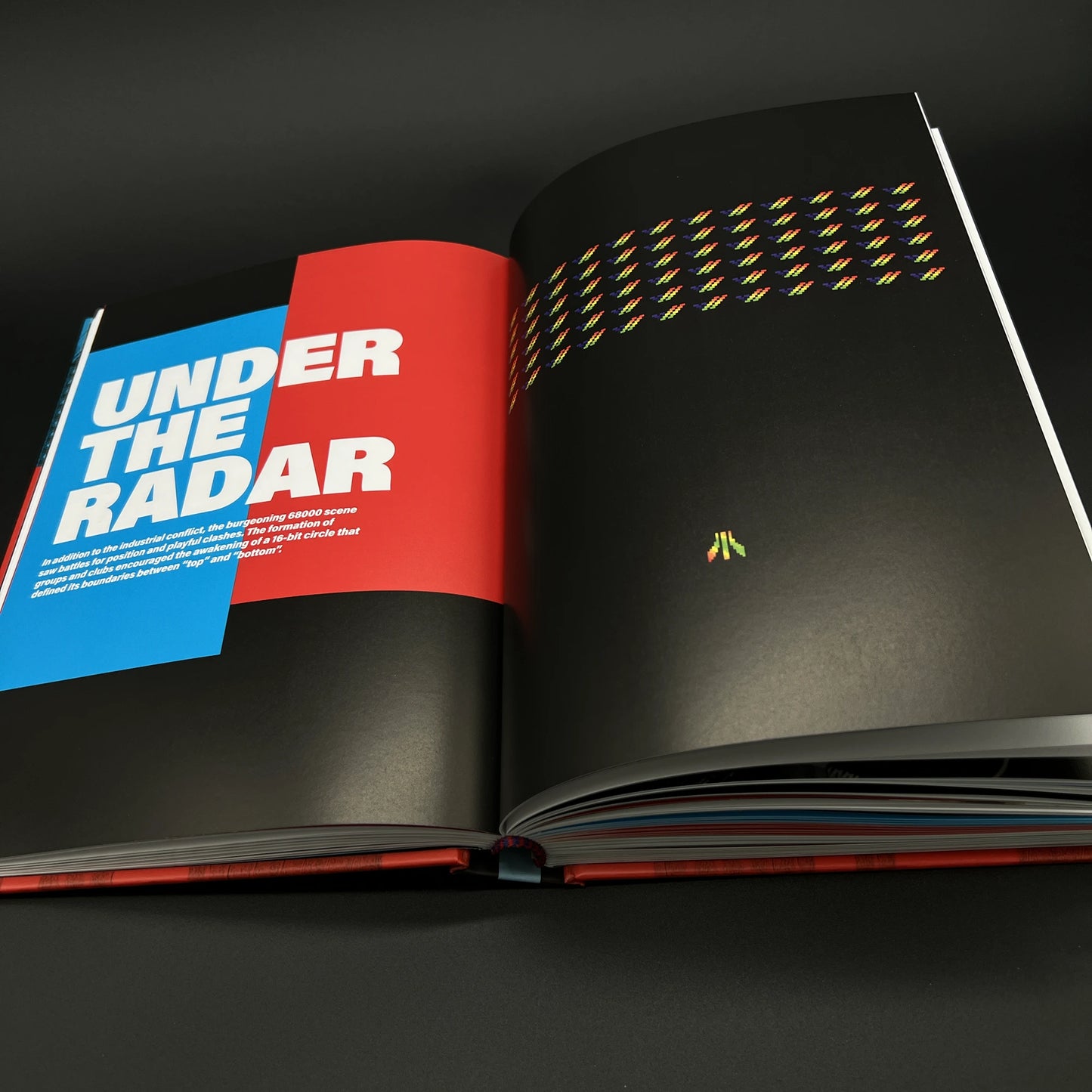
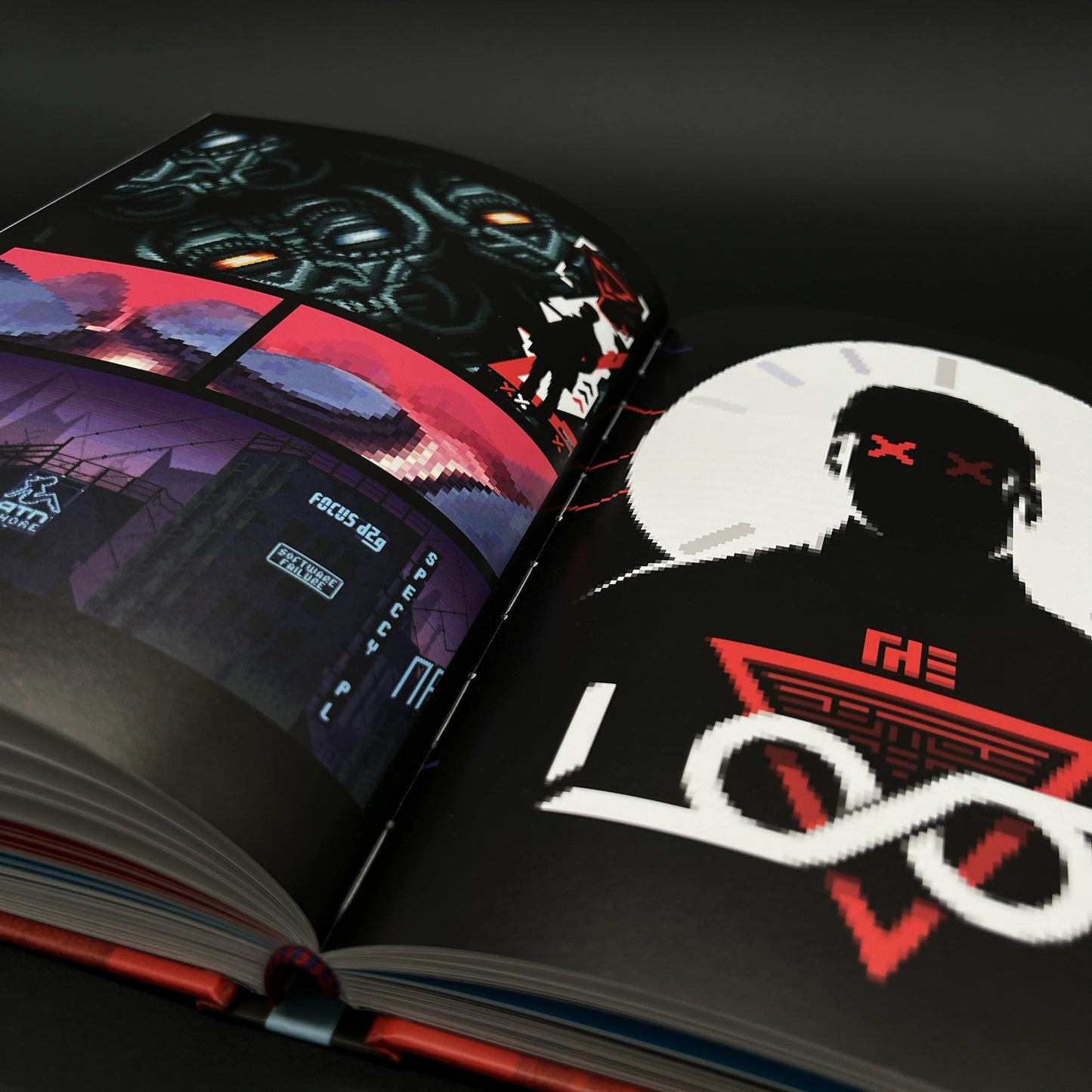
"68000: THE FLAME WARS" by Microzeit Publishing is a captivating exploration of the intense rivalry between the Atari ST and Commodore Amiga during the late 1980s and early 1990s. The book delves into the heated debates and passionate arguments that defined this era, offering a comprehensive look at the technological, cultural, and social impact of these two iconic home computers.
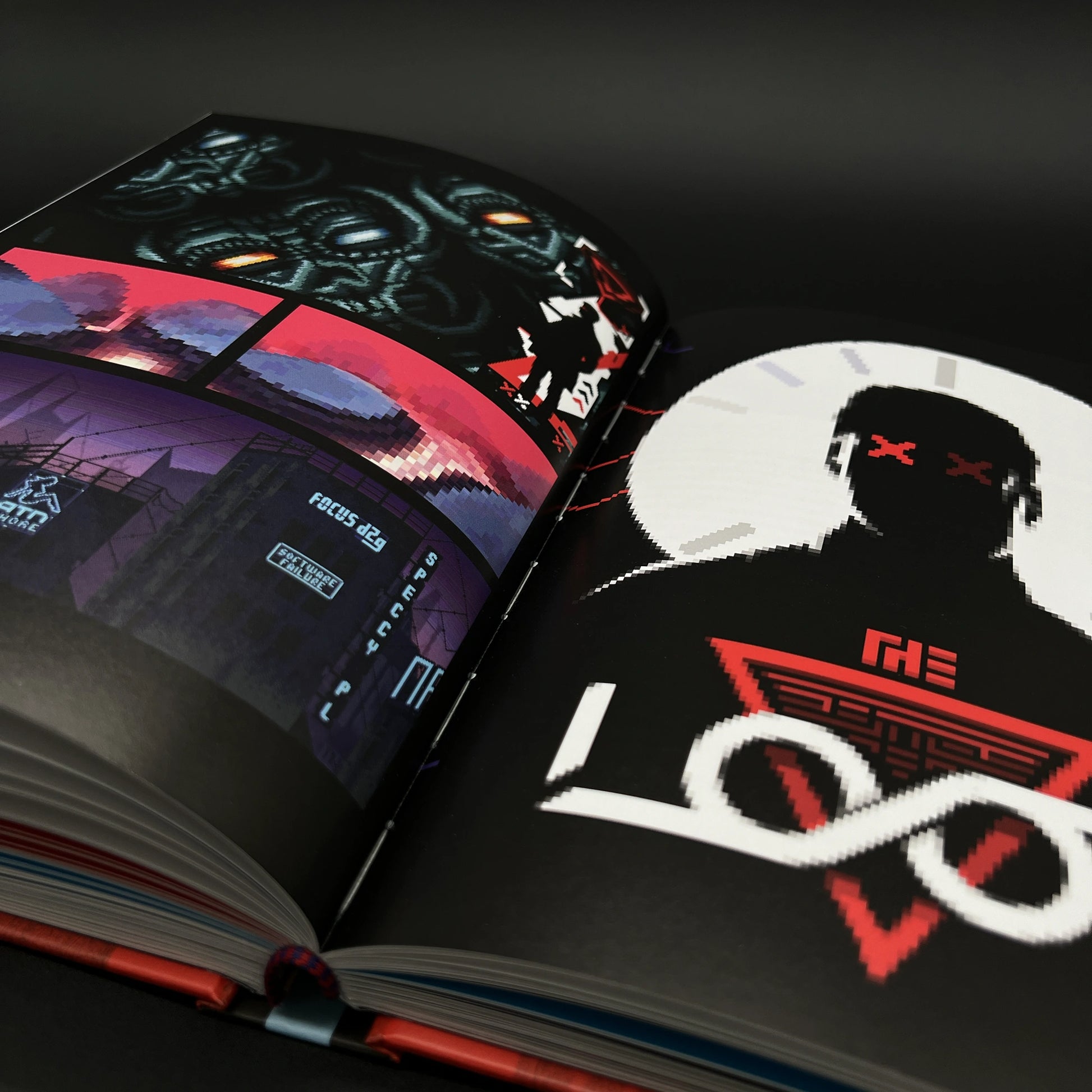
With beautifully designed pages and high-resolution artwork, the book not only chronicles the history of the flame wars but also includes interviews with developers, artists, and enthusiasts who were part of the scene. It's a must-read for anyone interested in retro computing and the fascinating stories behind these legendary machines.
Overall, "68000: THE FLAME WARS" is a well-researched and engaging retrospective that brings to life the excitement and innovation of the 16-bit era.
A large book packed with information and bright clear pictures giving a detailed look back at the high point of Amiga computing. I love this book and would recommend it to anyone with an interest in that era of computing.
Nice read. Very high quality print with full of high resolution beautiful artwork.
A superb read lots of fun and had me diving to the Amiga once again to play some of the games I’d totally forgotten about.